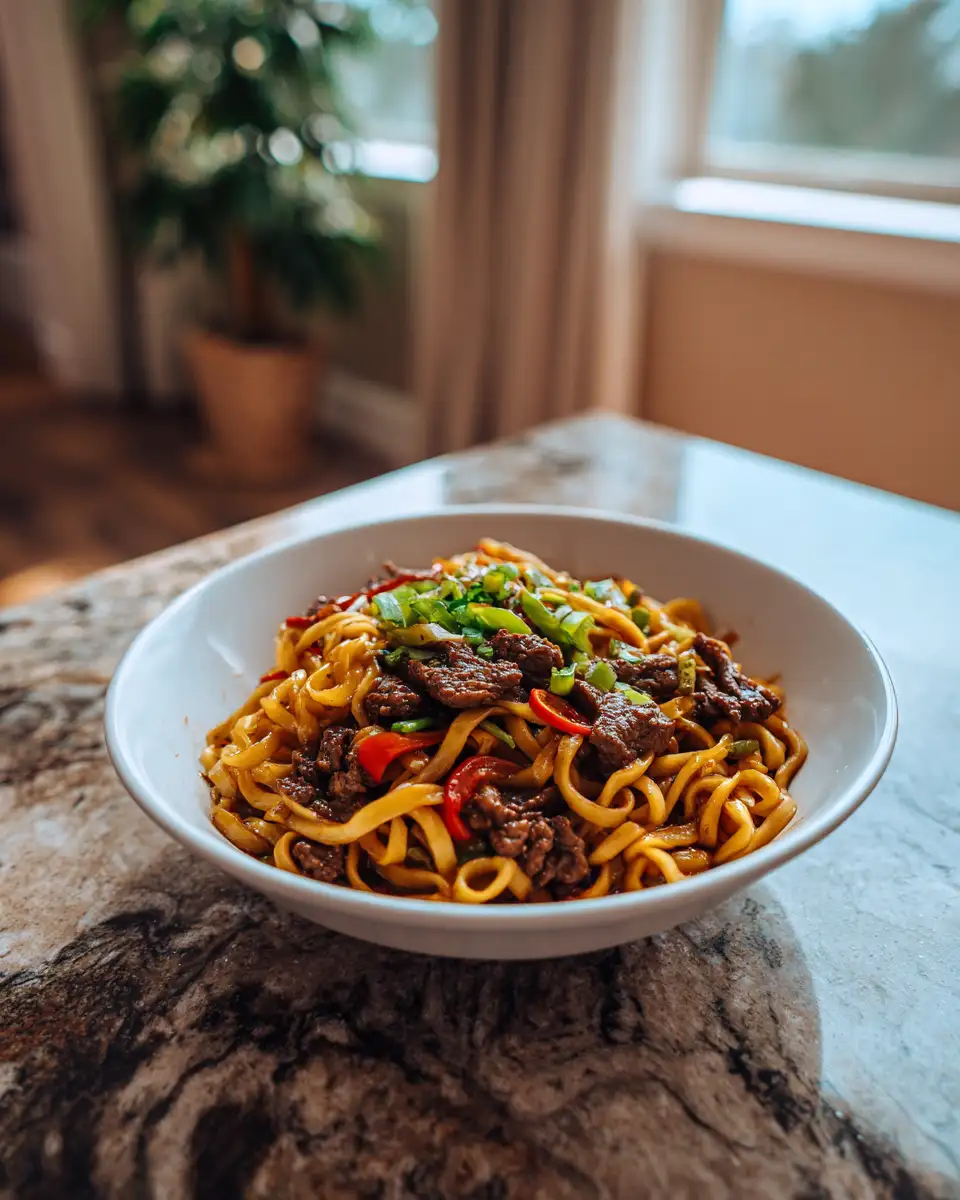
There’s something so comforting about a bowl of spicy Korean beef noodles. Maybe it’s the way the tender meat mingles with the fiery, savory broth, or how the noodles soak up that perfect kick of heat. I remember the first time I tried this dish at a cozy little Korean restaurant during a trip to Seoul—my taste buds danced, and I instantly knew I had to recreate it at home. Since then, making spicy Korean beef noodles has become my go-to for cozy nights or when I want to impress friends with something bold and flavorful. It’s a dish that brings warmth, a little spice, and a whole lot of love—just like my grandma used to do in her kitchen with simple ingredients and a lot of heart.
Why You’ll Love This Spicy Korean Beef Noodles
What makes this recipe so irresistible? First, it’s the perfect balance of heat and umami. The spicy kick from gochujang and chili paste is complemented by the richness of tender beef and the satisfying chew of al dente noodles. I love how versatile it is—whether you prefer a milder version or want to turn up the heat, you can adjust the spice level easily. Plus, it’s incredibly customizable: add your favorite veggies, sprinkle some sesame seeds, or top it with a fried egg for extra richness. This dish has a warm, hearty feel that reminds me of those weekends in my grandma’s kitchen, where every ingredient was carefully chosen and cooked with love. It’s a meal that not only fills your belly but also warms your soul.
Ingredients You’ll Need for This Spicy Korean Beef Noodles
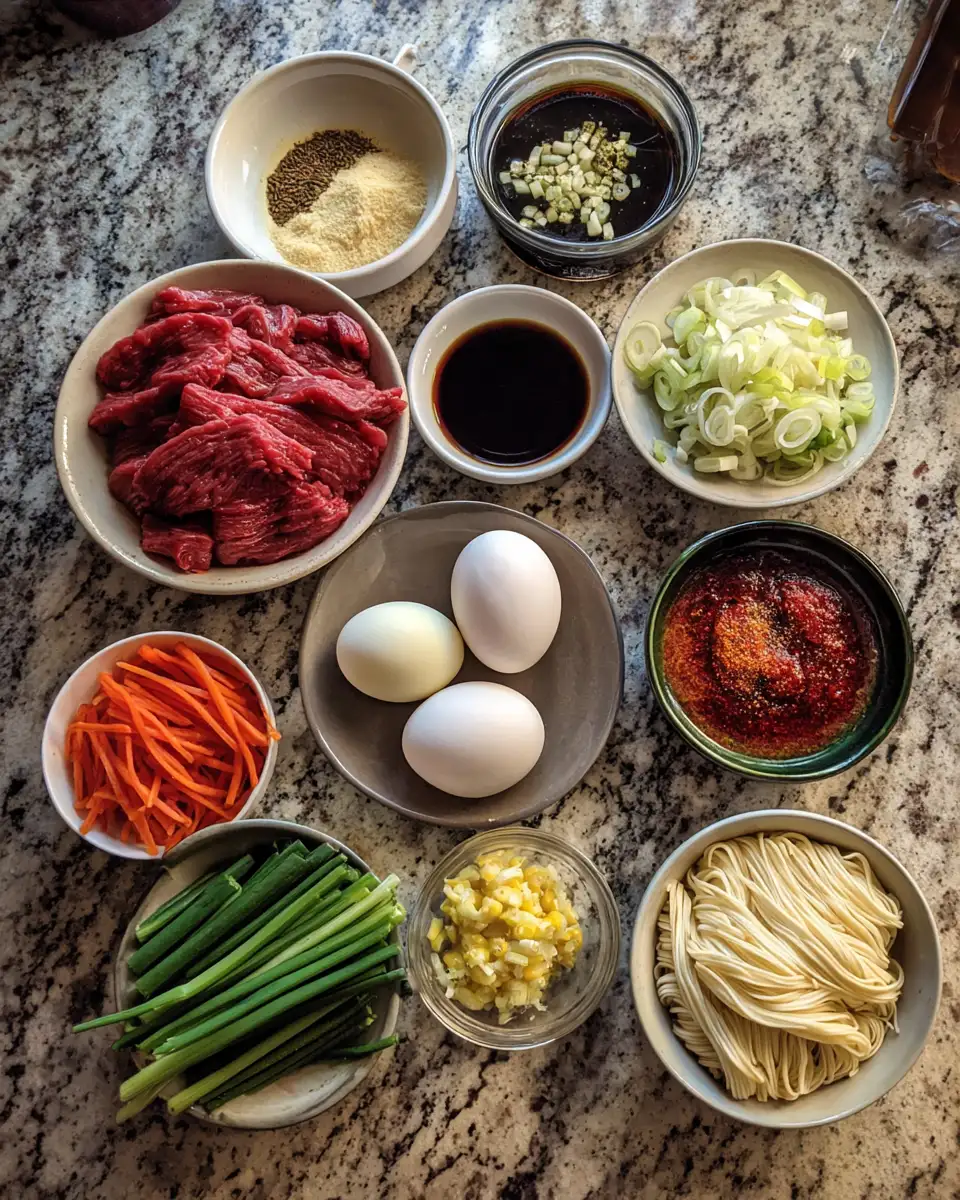
- 1 pound (450g) thinly sliced beef sirloin or ribeye, cut against the grain
- 8 ounces (225g) fresh or dried Korean wheat noodles (or substitute with ramen or udon)
- 2 tablespoons vegetable oil
- 4 cloves garlic, minced
- 1 small onion, thinly sliced
- 2 green onions, sliced (separate white and green parts)
- 1 tablespoon gochujang (Korean chili paste)
- 1 tablespoon soy sauce
- 1 teaspoon sesame oil
- 1 tablespoon rice vinegar (optional, for a touch of acidity)
- 1 teaspoon sugar (to balance flavors)
- 1/2 teaspoon crushed red pepper flakes (adjust to taste)
- Salt and freshly ground black pepper, to taste
- Optional toppings: sesame seeds, sliced chili, soft-boiled egg, shredded carrots, bok choy
For a vegetarian twist, you can swap beef for sliced tofu or tempeh, and use vegetable broth instead of beef stock. Growing up, I often experimented with substitutions, especially when my grandma’s pantry was running low—those improvisations often turned into new favorites.
Nutrition Facts
- Calories: approximately 520 per serving
- Protein: 28g
- Fat: 20g
- Carbohydrates: 62g
- Fiber: 4g
- Sugar: 8g
- Sodium: 900mg
This dish offers a good hit of protein and carbs to keep you energized, with a spicy kick that makes each bite exciting. I always remind myself that while it’s flavorful, moderation is key—especially with the sodium from soy sauce and gochujang. I try to balance it out with fresh veggies and a side of greens whenever I make it at home.
PrintDiscover the Ultimate Spicy Korean Beef Noodles Recipe to Ignite Your Taste Buds
Learn how to make delicious Spicy Korean Beef Noodles. Easy recipe with step-by-step instructions.
- Prep Time: 15 minutes
- Cook Time: 30 minutes
- Total Time: 45 minutes
- Yield: 4 servings
- Category: Main Dish
- Method: Cooking
- Cuisine: International
Ingredients
- 1 pound (450g) thinly sliced beef sirloin or ribeye, cut against the grain
- 8 ounces (225g) fresh or dried Korean wheat noodles (or substitute with ramen or udon)
- 2 tablespoons vegetable oil
- 4 cloves garlic, minced
- 1 small onion, thinly sliced
- 2 green onions, sliced (separate white and green parts)
- 1 tablespoon gochujang (Korean chili paste)
- 1 tablespoon soy sauce
- 1 teaspoon sesame oil
- 1 tablespoon rice vinegar (optional, for a touch of acidity)
- 1 teaspoon sugar (to balance flavors)
- 1/2 teaspoon crushed red pepper flakes (adjust to taste)
- Salt and freshly ground black pepper, to taste
- Optional toppings: sesame seeds, sliced chili, soft-boiled egg, shredded carrots, bok choy
For a vegetarian twist, you can swap beef for sliced tofu or tempeh, and use vegetable broth instead of beef stock. Growing up, I often experimented with substitutions, especially when my grandma’s pantry was running low—those improvisations often turned into new favorites.
Instructions
- Bring a large pot of water to a boil. Cook the noodles according to package instructions until just al dente, usually 2-3 minutes for fresh noodles. Drain and set aside.
- While the noodles cook, heat the vegetable oil in a large skillet or wok over medium-high heat. Add the sliced beef, season with salt and pepper, and cook for about 2-3 minutes until browned and just cooked through. Remove the beef from the pan and set aside.
- In the same pan, add a little more oil if needed. Sauté the garlic and onion until fragrant and translucent, about 2 minutes. I love how the kitchen fills with that savory aroma—reminds me of my grandma’s Sunday dinners.
- Add the gochujang, soy sauce, sesame oil, rice vinegar, sugar, and crushed red pepper flakes. Stir well to combine, creating a flavorful sauce. Let it simmer for a minute or two to meld the flavors.
- Return the cooked beef to the pan and toss to coat evenly with the sauce. Cook for another 2 minutes, allowing the flavors to combine beautifully. If you’re adding veggies like bok choy or shredded carrots, toss them in now and cook until tender.
- Add the cooked noodles directly to the skillet. Toss everything together to coat the noodles in the spicy sauce. Let it cook for another minute, so the noodles soak up all that goodness.
- Serve hot, garnished with sliced green onions, sesame seeds, and optional toppings like a soft-boiled egg or extra chili slices. Nothing beats a bowl of this spicy Korean beef noodles fresh out of the pan.
Steps to Create Your Spicy Korean Beef Noodles
- Bring a large pot of water to a boil. Cook the noodles according to package instructions until just al dente, usually 2-3 minutes for fresh noodles. Drain and set aside.
- While the noodles cook, heat the vegetable oil in a large skillet or wok over medium-high heat. Add the sliced beef, season with salt and pepper, and cook for about 2-3 minutes until browned and just cooked through. Remove the beef from the pan and set aside.
- In the same pan, add a little more oil if needed. Sauté the garlic and onion until fragrant and translucent, about 2 minutes. I love how the kitchen fills with that savory aroma—reminds me of my grandma’s Sunday dinners.
- Add the gochujang, soy sauce, sesame oil, rice vinegar, sugar, and crushed red pepper flakes. Stir well to combine, creating a flavorful sauce. Let it simmer for a minute or two to meld the flavors.
- Return the cooked beef to the pan and toss to coat evenly with the sauce. Cook for another 2 minutes, allowing the flavors to combine beautifully. If you’re adding veggies like bok choy or shredded carrots, toss them in now and cook until tender.
- Add the cooked noodles directly to the skillet. Toss everything together to coat the noodles in the spicy sauce. Let it cook for another minute, so the noodles soak up all that goodness.
- Serve hot, garnished with sliced green onions, sesame seeds, and optional toppings like a soft-boiled egg or extra chili slices. Nothing beats a bowl of this spicy Korean beef noodles fresh out of the pan.
Tips for Making the Best Spicy Korean Beef Noodles
One thing I’ve learned from years of cooking is that balancing flavors makes all the difference. Don’t be afraid to taste and adjust the seasoning—add a splash more soy or a pinch more red pepper if you want it spicier. Also, use good quality gochujang; I always keep a jar in my fridge because it’s so versatile—marinades, dips, or even a quick spoonful on rice.
- For tender, juicy beef, marinate the slices in a bit of soy and sesame oil for 15 minutes before cooking—this extra step adds depth.
- If you prefer less heat, reduce or omit the crushed red pepper flakes and gochujang. You can always serve extra chili on the side.
- Use fresh noodles if possible—they have a better texture, but dried noodles work just fine in a pinch.
- Don’t overcook the noodles; they should be just tender, as they’ll continue to absorb flavors when tossed in the sauce.
- Finish with a squeeze of fresh lime or lemon for a bright, fresh flavor that cuts through the spice.
Serving Suggestions and Pairings
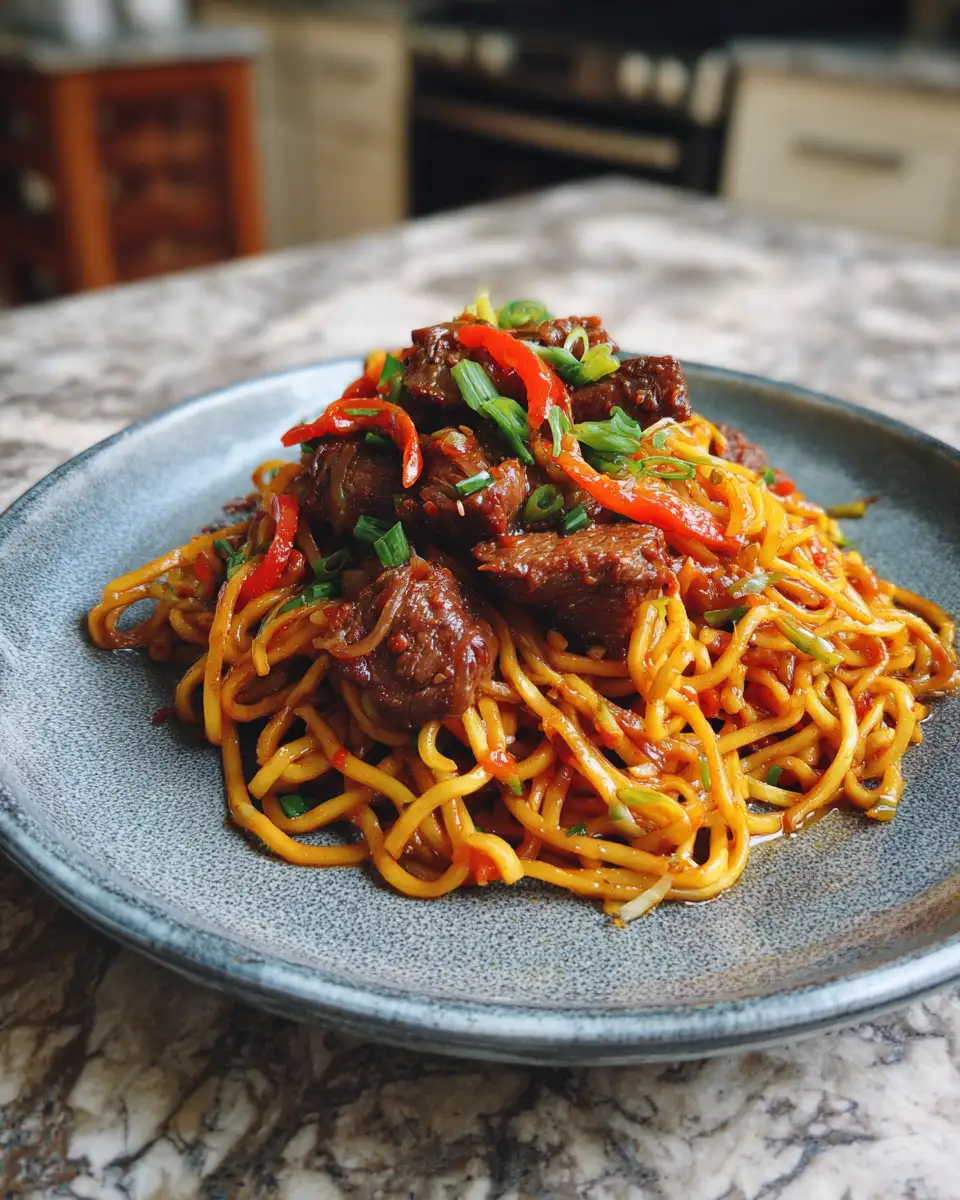
This dish stands beautifully on its own, but I love pairing it with simple sides to balance the bold flavors. A crisp cucumber salad with rice vinegar and a sprinkle of sesame seeds complements the spicy noodles perfectly. Steamed bok choy or sautéed spinach add a touch of greens and freshness. Learn more: Delicious Cashew Chicken Recipe That Will Make Your Taste Buds Dance
If you want to elevate the meal, serve it with a cold glass of Korean barley tea or a light lager to mellow out the heat. For a vegetarian option, swap out the beef for tofu and add extra veggies—my grandma always emphasized making dishes adaptable to what’s available in the pantry.
Presentation matters, too. I like to garnish with extra sliced green onions and toasted sesame seeds right before serving. It adds visual appeal and a little crunch in every bite.
Storage and Reheating Tips
If you happen to have leftovers (which I doubt, because it’s so good!), store them in an airtight container in the refrigerator for up to two days. To reheat, gently warm in a skillet over low heat, adding a splash of water or broth to loosen the sauce. Avoid microwaving for too long to prevent noodles from drying out or becoming mushy. I’ve found that reheating slowly preserves the texture and flavors, just like my grandma used to do with her Sunday stews.
Frequently Asked Questions
What are the main ingredients for Spicy Korean Beef Noodles?
The main ingredients for Spicy Korean Beef Noodles include the items listed in our ingredients section above. Each ingredient plays a crucial role in achieving the perfect flavor and texture.
How long does it take to make Spicy Korean Beef Noodles?
The total time to make Spicy Korean Beef Noodles includes both preparation and cooking time. Check the recipe card above for exact timing details.
Can I make Spicy Korean Beef Noodles ahead of time?
Yes, Spicy Korean Beef Noodles can often be prepared in advance. Store it properly in an airtight container in the refrigerator and consume within the recommended timeframe.
What can I serve with Spicy Korean Beef Noodles?
Spicy Korean Beef Noodles pairs well with various sides and accompaniments. Consider the serving suggestions mentioned in the recipe for the best dining experience.
Is Spicy Korean Beef Noodles suitable for special diets?
Depending on the ingredients used, Spicy Korean Beef Noodles may be adapted for various dietary needs. Check the ingredients list and consider substitutions as needed for your dietary requirements.
Final Thoughts
Making spicy Korean beef noodles at home is a delightful way to bring a bit of global flavor into your kitchen. It’s a dish that’s hearty, spicy, and full of love—just like the meals I grew up with in my grandma’s kitchen. The best part? It’s incredibly flexible and forgiving, perfect for experimenting and making your own. I encourage you to play with the ingredients, adjust the spice level, and add your favorite veggies. Trust me, once you get the hang of it, this will become a favorite in your recipe rotation. So, gather your ingredients, turn on some music, and let the smell of garlic and chili fill your home. Happy cooking!