
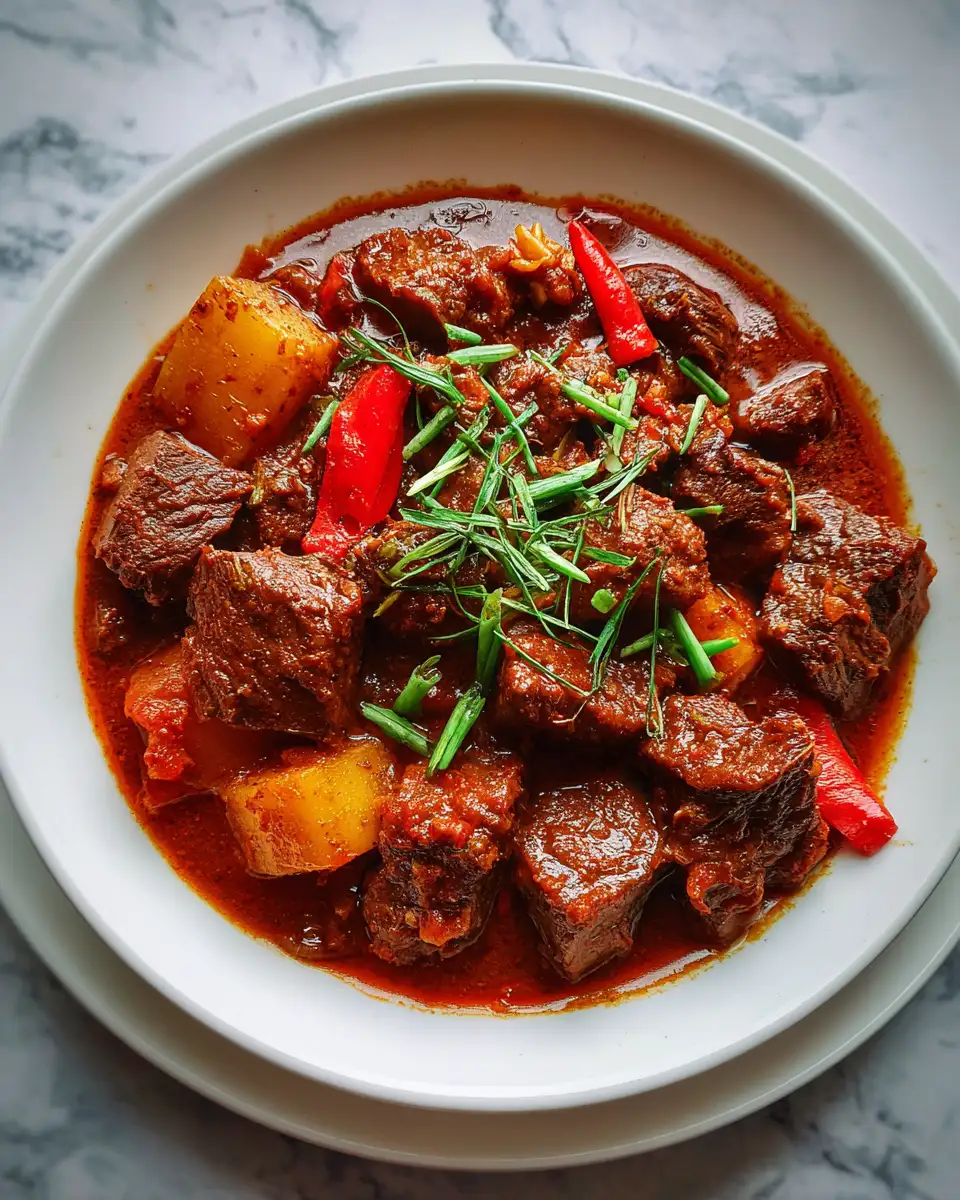
There’s something truly comforting about a hearty, flavorful stew that brings families together around the table. Nigerian Beef Stew is one of those dishes that immediately transports me back to my grandma’s kitchen, where the aroma of spices and slow-cooked meat filled the air and made every mealtime special. Growing up, I learned that good food isn’t just about ingredients; it’s about love, patience, and a little bit of magic. Today, I want to share my own take on this beloved dish, infused with memories and a touch of my personal flair. Whether you’re a seasoned home cook or just starting your culinary journey, I promise that once you master this Nigerian Beef Stew, it will become a staple in your kitchen, too.
Why You’ll Love This Nigerian Beef Stew
If you’re anything like me, you appreciate dishes that are rich in flavor and simple to prepare. Nigerian Beef Stew checks all those boxes. It’s a bold, savory masterpiece packed with tender chunks of beef, aromatic spices, and a vibrant tomato base that’s impossible to resist. What makes this stew stand out is its versatility—perfect served over fluffy rice, paired with fried plantains, or enjoyed with a side of steaming yams. I’ve cooked this recipe countless times, especially during cool evenings when a warm, filling meal hits the spot. My secret is in the slow simmer that allows the flavors to meld beautifully, creating a depth that’s truly satisfying. From my experience, this stew also gets better the next day, making it an excellent make-ahead option for busy weeknights or weekend gatherings.
Ingredients You’ll Need for This Nigerian Beef Stew
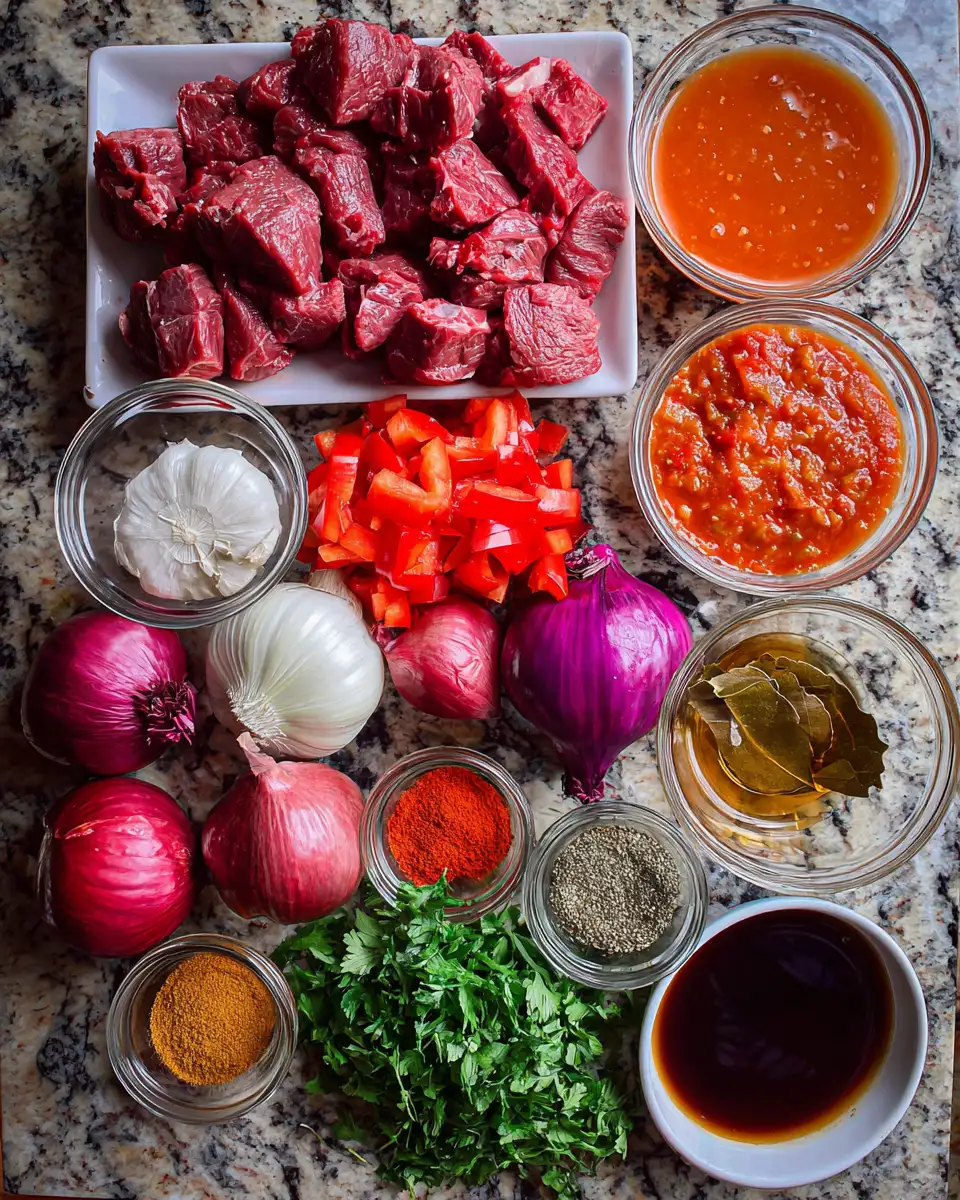
Cooking this Nigerian Beef Stew is like wrapping yourself in a warm blanket—simple ingredients, but packed with flavor. Here’s what you’ll need:
- 2 pounds beef stew meat (cut into chunks; chuck or sirloin works well)
- 2 large red onions, finely chopped
- 4 cloves garlic, minced
- 2 large red bell peppers, blended or finely chopped
- 2 medium tomatoes, blended or chopped (or 1 cup canned tomato puree)
- 2 tablespoons tomato paste (for richness)
- 1 teaspoon paprika (optional, for smoky depth)
- 1 teaspoon dried thyme
- 1 teaspoon curry powder (adds a subtle warmth—optional but recommended)
- 1/2 teaspoon ground ginger (for a hint of spice)
- 2 bay leaves
- 1/4 cup vegetable or palm oil (palm oil gives authentic flavor, but vegetable works too)
- 1 teaspoon salt (adjust to taste)
- 1/2 teaspoon black pepper
- 1/4 teaspoon cayenne pepper (for a gentle heat, optional)
- 1 cup beef broth or water (for simmering)
- Fresh cilantro or parsley (for garnish)
For substitutions, if you don’t have palm oil, vegetable oil works beautifully and is more accessible. Fresh tomatoes can be substituted with canned tomato puree for convenience, especially during off-season months. I’ve found that a splash of hot pepper sauce can also add an extra kick if you like your stew spicy—just adjust to your taste.
Nutrition Facts
- Calories: Approximately 350 per serving
- Protein: 25g
- Fat: 20g
- Carbohydrates: 15g
- Fiber: 3g
- Sugar: 5g
- Sodium: 600mg (varies based on added salt and broth)
This dish offers a good balance of protein and healthy fats, making it satisfying and nourishing. I love that it’s packed with ingredients that provide both flavor and nutritional value—something my grandma always emphasized in her cooking. Every spoonful reminds me that good food nurtures both body and soul.
PrintDiscover the Rich Flavors of Authentic Nigerian Beef Stew
Learn how to make delicious Nigerian Beef Stew. Easy recipe with step-by-step instructions.
- Prep Time: 15 minutes
- Cook Time: 30 minutes
- Total Time: 45 minutes
- Yield: 4 servings
- Category: Main Dish
- Method: Cooking
- Cuisine: International
Ingredients
Cooking this Nigerian Beef Stew is like wrapping yourself in a warm blanket—simple ingredients, but packed with flavor. Here’s what you’ll need:
- 2 pounds beef stew meat (cut into chunks; chuck or sirloin works well)
- 2 large red onions, finely chopped
- 4 cloves garlic, minced
- 2 large red bell peppers, blended or finely chopped
- 2 medium tomatoes, blended or chopped (or 1 cup canned tomato puree)
- 2 tablespoons tomato paste (for richness)
- 1 teaspoon paprika (optional, for smoky depth)
- 1 teaspoon dried thyme
- 1 teaspoon curry powder (adds a subtle warmth—optional but recommended)
- 1/2 teaspoon ground ginger (for a hint of spice)
- 2 bay leaves
- 1/4 cup vegetable or palm oil (palm oil gives authentic flavor, but vegetable works too)
- 1 teaspoon salt (adjust to taste)
- 1/2 teaspoon black pepper
- 1/4 teaspoon cayenne pepper (for a gentle heat, optional)
- 1 cup beef broth or water (for simmering)
- Fresh cilantro or parsley (for garnish)
For substitutions, if you don’t have palm oil, vegetable oil works beautifully and is more accessible. Fresh tomatoes can be substituted with canned tomato puree for convenience, especially during off-season months. I’ve found that a splash of hot pepper sauce can also add an extra kick if you like your stew spicy—just adjust to your taste.
Instructions
-
Start by preparing your ingredients. Cut the beef into manageable chunks and set aside. Finely chop the onions, garlic, and peppers, or blend the peppers and tomatoes until smooth for a more traditional, saucy texture. I like blending my peppers and tomatoes—they give the stew a vibrant color and smooth consistency.
-
Heat your oil in a large, heavy-bottomed pot over medium heat. Once hot, add the chopped onions and sauté until they become translucent and fragrant, about 3-4 minutes. I always make sure not to rush this step—layering flavors begins here, just like my grandma did.
-
Add the minced garlic, thyme, curry powder, and ginger. Stir for another minute until the spices release their aroma. It’s a fragrant stage that always gets me excited, reminding me of Sunday afternoons spent cooking with family.
-
Introduce the beef chunks into the pot. Brown the meat on all sides for about 8-10 minutes. This step develops a rich flavor and seals in juices. I often do this in batches if my pot isn’t big enough—better to brown than to overcrowd, which can cause steaming instead of searing.
-
Pour in the blended peppers and tomatoes, along with the tomato paste. Stir everything together, ensuring the meat is coated well with the flavorful mixture. Cook for about 10 minutes, allowing the acidity to cook out and the flavors to deepen.
-
Add the bay leaves, salt, black pepper, cayenne (if using), and broth or water. Stir again and bring the mixture to a gentle boil. Once boiling, reduce the heat to low, cover the pot, and let it simmer for about 1.5 to 2 hours. During this time, I occasionally check and add more water if needed—patience is key, just like my grandma always said.
-
After the cooking time, remove the lid and simmer uncovered for an additional 15-20 minutes to thicken the stew slightly. The oil should rise to the top, and the sauce will have reduced to a rich, luscious consistency. I love to taste and adjust the seasoning at this stage—sometimes a pinch more salt or a dash of hot sauce makes all the difference.
-
Finish by garnishing with chopped cilantro or parsley. Serve hot over rice, pounded yam, or your favorite side. I usually set the table with a big bowl of fluffy white rice and a side of fried plantains—comfort food at its best.
Steps to Create Your Nigerian Beef Stew
Start by preparing your ingredients. Cut the beef into manageable chunks and set aside. Finely chop the onions, garlic, and peppers, or blend the peppers and tomatoes until smooth for a more traditional, saucy texture. I like blending my peppers and tomatoes—they give the stew a vibrant color and smooth consistency.
Heat your oil in a large, heavy-bottomed pot over medium heat. Once hot, add the chopped onions and sauté until they become translucent and fragrant, about 3-4 minutes. I always make sure not to rush this step—layering flavors begins here, just like my grandma did.
Add the minced garlic, thyme, curry powder, and ginger. Stir for another minute until the spices release their aroma. It’s a fragrant stage that always gets me excited, reminding me of Sunday afternoons spent cooking with family.
Introduce the beef chunks into the pot. Brown the meat on all sides for about 8-10 minutes. This step develops a rich flavor and seals in juices. I often do this in batches if my pot isn’t big enough—better to brown than to overcrowd, which can cause steaming instead of searing.
Pour in the blended peppers and tomatoes, along with the tomato paste. Stir everything together, ensuring the meat is coated well with the flavorful mixture. Cook for about 10 minutes, allowing the acidity to cook out and the flavors to deepen.
Add the bay leaves, salt, black pepper, cayenne (if using), and broth or water. Stir again and bring the mixture to a gentle boil. Once boiling, reduce the heat to low, cover the pot, and let it simmer for about 1.5 to 2 hours. During this time, I occasionally check and add more water if needed—patience is key, just like my grandma always said.
After the cooking time, remove the lid and simmer uncovered for an additional 15-20 minutes to thicken the stew slightly. The oil should rise to the top, and the sauce will have reduced to a rich, luscious consistency. I love to taste and adjust the seasoning at this stage—sometimes a pinch more salt or a dash of hot sauce makes all the difference.
Finish by garnishing with chopped cilantro or parsley. Serve hot over rice, pounded yam, or your favorite side. I usually set the table with a big bowl of fluffy white rice and a side of fried plantains—comfort food at its best.
Tips for Making the Best Nigerian Beef Stew
Use a cut of beef that benefits from slow cooking, like chuck or sirloin. It becomes incredibly tender and flavorful after a long simmer. I’ve tried using leaner cuts, but they tend to dry out—so I always stick with the traditional tougher cuts.
Don’t rush the browning process. Searing the beef and onions well creates a depth of flavor that can’t be rushed. Take your time, and let the heat do its magic.
Adjust the spice levels to your taste. If you love heat, add more cayenne or a splash of hot pepper sauce. For a milder version, skip the cayenne altogether. My grandma used to say, “Food should warm your belly and your heart.”
Make this stew ahead of time. The flavors only get better with a day or two in the fridge, making it perfect for meal prep or entertaining guests.
If you want a thicker stew, mash some of the cooked-down vegetables or stir in a small amount of tomato paste. Conversely, for a thinner sauce, add a little more broth during simmering.
Serving Suggestions and Pairings
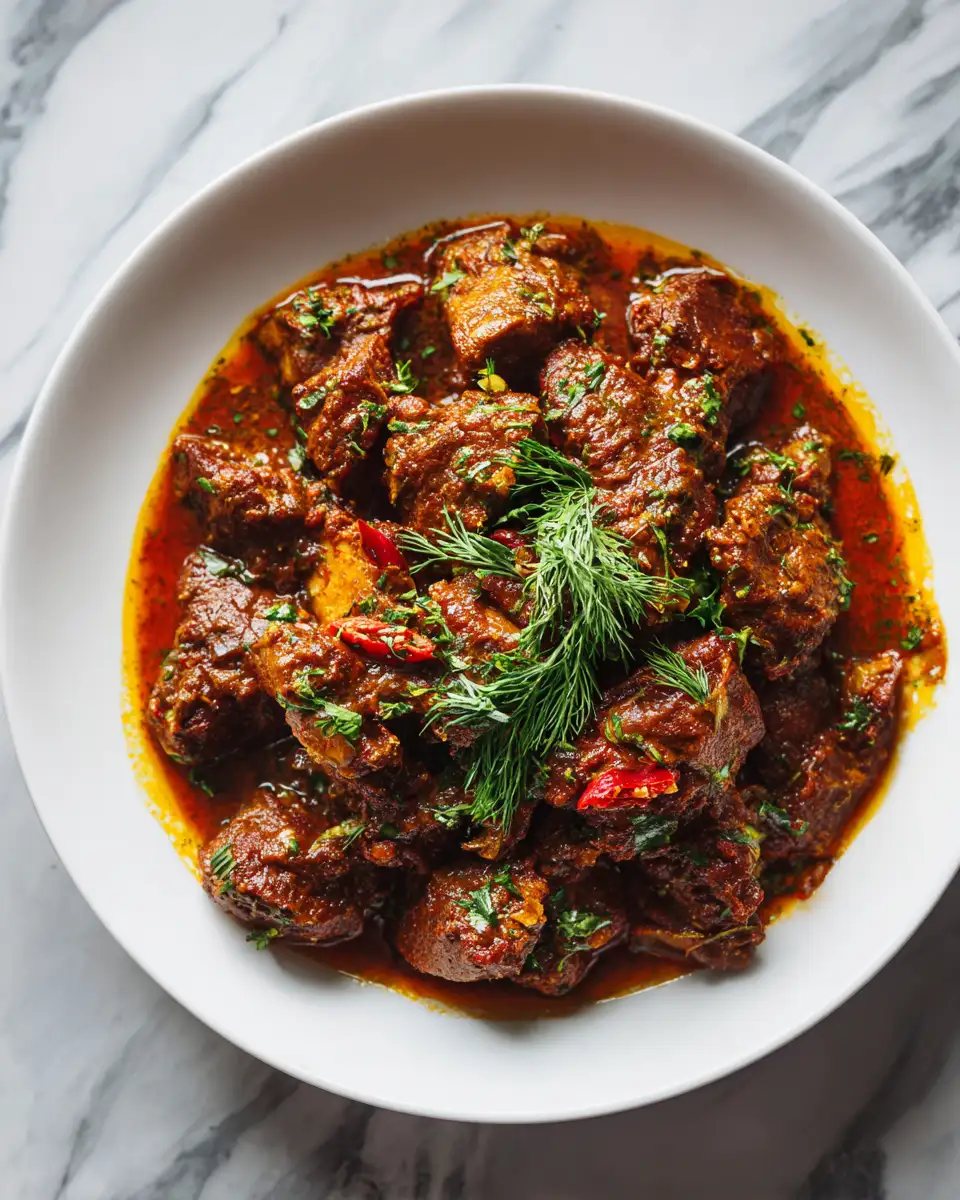
This Nigerian Beef Stew is incredibly versatile. I love serving it over steaming white rice—nothing beats the simple comfort of soaking up the flavorful sauce with fluffy grains. For a more traditional touch, serve it alongside pounded yam or cooked yams, which I fondly remember eating as a child. It also pairs beautifully with fried plantains, which add a sweet contrast to the savory stew.
If you’re looking to add some greens to the meal, a side of sautéed spinach or leafy greens seasoned with garlic and a squeeze of lemon complements the richness perfectly. For those who enjoy a bit of crunch, crispy fried plantains or even a simple side salad work well. Learn more: Indulge in the Ultimate Comfort Food Creamy Beef and Shells Recipe
Personally, I love to set a lively table with colorful dishes and fresh herbs, making the meal not just delicious but also visually inviting. Sharing this stew with loved ones is what truly makes it special—just like my grandma’s kitchen, where every meal was a celebration of love and togetherness.
Storage and Reheating Tips
This Nigerian Beef Stew stores wonderfully in the refrigerator for up to 3 days. Allow it to cool completely before transferring it to an airtight container. When reheating, do so gently over low heat on the stove, stirring occasionally to prevent sticking or burning. I find that adding a splash of water or broth helps restore the stew’s consistency if it thickens too much overnight.
If you want to keep it longer, you can freeze the stew in portions for up to 3 months. Thaw in the refrigerator overnight and reheat as mentioned. A tip I learned from my grandma—do not microwave the stew directly from frozen, as it can affect the texture and flavor. Slow reheating on the stove preserves its richness better.
Frequently Asked Questions
What are the main ingredients for Nigerian Beef Stew?
The main ingredients for Nigerian Beef Stew include the items listed in our ingredients section above. Each ingredient plays a crucial role in achieving the perfect flavor and texture.
How long does it take to make Nigerian Beef Stew?
The total time to make Nigerian Beef Stew includes both preparation and cooking time. Check the recipe card above for exact timing details.
Can I make Nigerian Beef Stew ahead of time?
Yes, Nigerian Beef Stew can often be prepared in advance. Store it properly in an airtight container in the refrigerator and consume within the recommended timeframe.
What can I serve with Nigerian Beef Stew?
Nigerian Beef Stew pairs well with various sides and accompaniments. Consider the serving suggestions mentioned in the recipe for the best dining experience.
Is Nigerian Beef Stew suitable for special diets?
Depending on the ingredients used, Nigerian Beef Stew may be adapted for various dietary needs. Check the ingredients list and consider substitutions as needed for your dietary requirements.
Final Thoughts
Cooking Nigerian Beef Stew is a labor of love—one that rewards patience and attention to detail. It’s a dish that tells stories of tradition, family, and warmth. Every time I make this stew, I feel connected to my roots and the generations before me who shared their kitchen secrets with love. I hope you find as much joy in preparing and sharing this dish as I have. Remember, the best meals are those made with heart, and Nigerian Beef Stew is a perfect example of that. So gather your ingredients, put on some good music, and let the magic happen in your kitchen. Happy cooking!