
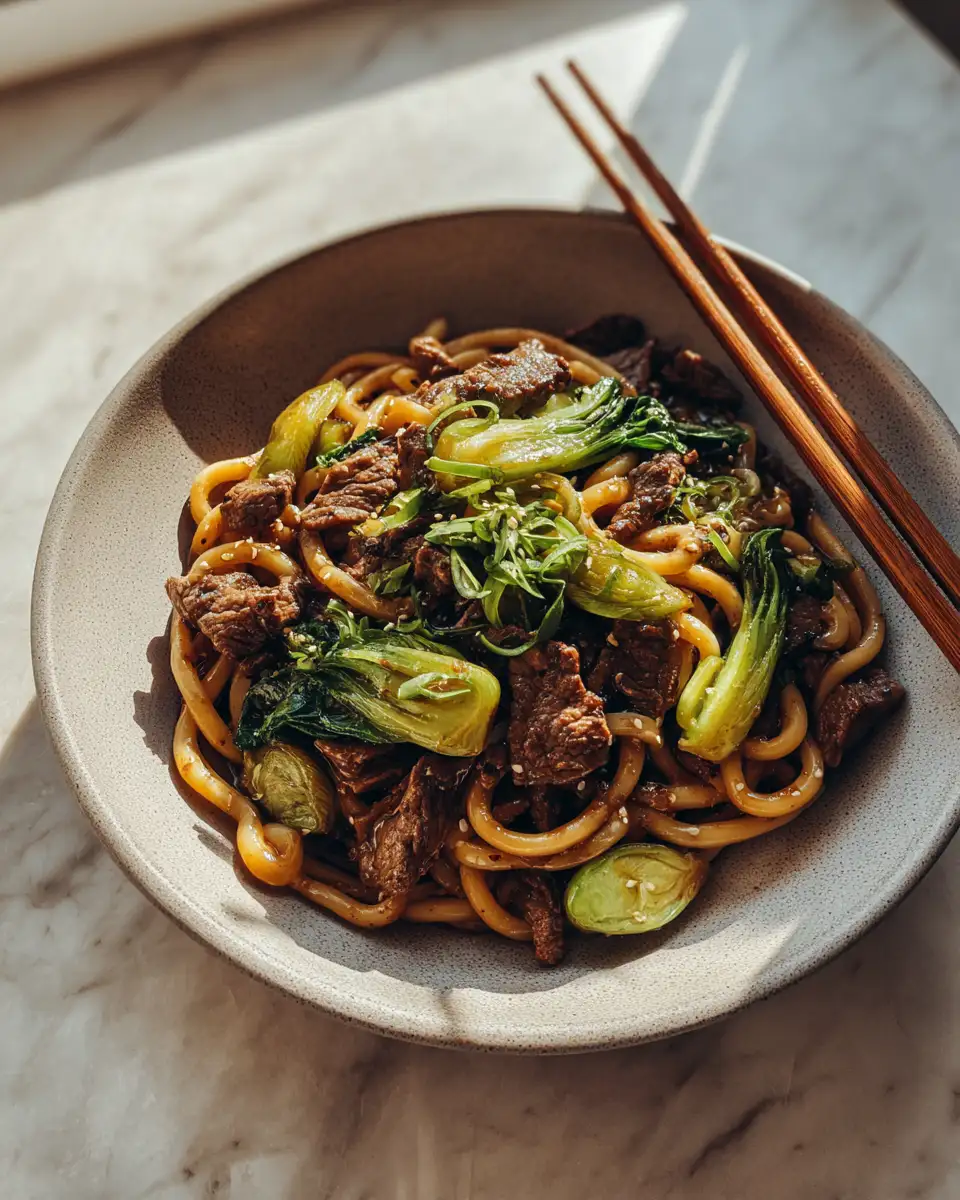
There’s something truly comforting about a bowl of Beef Black Pepper Udon—rich, savory, with just the right kick of pepper that warms you from the inside out. I remember the first time I tried a similar dish during a trip to a bustling Asian market, where the aroma of spices and sizzling beef drew me in. It reminded me of my grandma’s kitchen, where she’d toss together simple ingredients with love, transforming them into something magical. That’s exactly what I aim to share with you today—a recipe that’s easy to make, deeply satisfying, and full of flavor, just like those warm family dinners I cherish. So, grab your apron, and let’s bring a little of that homey magic into your kitchen with this delightful Beef Black Pepper Udon.
Why You’ll Love This Beef Black Pepper Udon
This dish has become one of my favorites to prepare, especially on those busy weeknights when I crave something hearty but quick. The beauty of Beef Black Pepper Udon lies in its simplicity and depth of flavor. The tender strips of beef, coated in a savory soy-black pepper sauce, paired with thick, chewy udon noodles, create a perfect harmony of textures and tastes. I love how the black pepper adds a punch without overpowering the dish, making it a balanced and warming meal. Plus, it’s incredibly versatile—you can tweak the spice level, add vegetables, or even make it vegetarian with tofu. I’ve shared this recipe with friends and family countless times, and each time, I see the same delighted reactions. It’s a dish that feels both familiar and exciting, bringing a sense of comfort and adventure to the table.
Ingredients You’ll Need for This Beef Black Pepper Udon
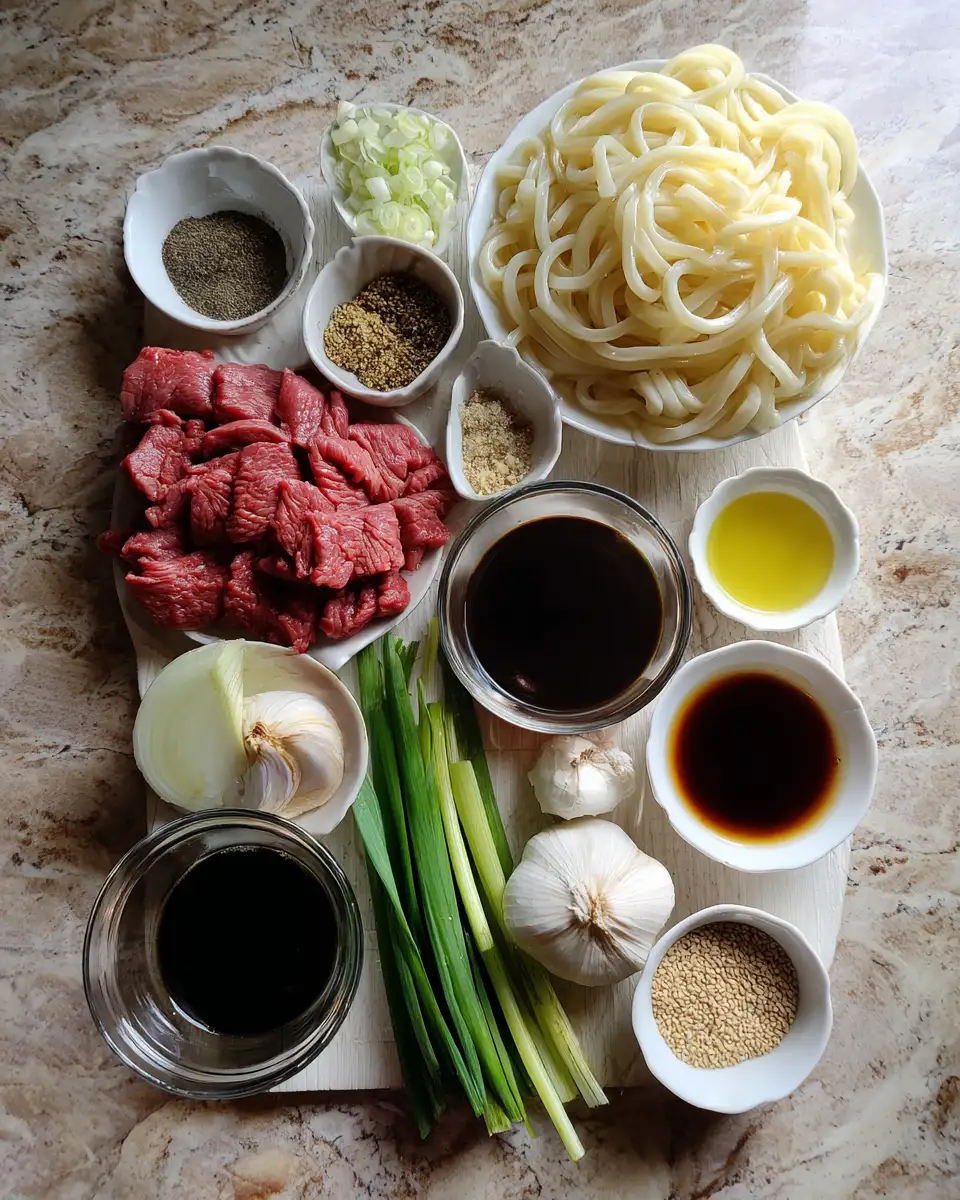
- 12 oz (340 g) beef sirloin or flank steak, thinly sliced
- 8 oz (225 g) udon noodles (fresh or frozen)
- 2 tablespoons soy sauce
- 1 tablespoon oyster sauce (optional, for extra richness)
- 1 teaspoon sesame oil
- 2 tablespoons vegetable oil or neutral cooking oil
- 1 large onion, sliced thin
- 3 cloves garlic, minced
- 1 teaspoon freshly ground black pepper (adjust to taste)
- 1 teaspoon ground white pepper (optional, for added aroma)
- 1/2 teaspoon sugar (to balance the flavors)
- 1/4 cup beef broth or water
- Green onions, sliced, for garnish
- Sesame seeds, for garnish (optional)
Feel free to customize this list—if you don’t have oyster sauce, a dash more soy works beautifully. I also like to add thinly sliced bell peppers or bok choy for extra crunch and color, especially when I want to turn this into a more veggie-forward dish. My grandma always believed in making the most of what you have on hand, so don’t hesitate to experiment a little!
Nutrition Facts
- Calories: Approximately 550 per serving
- Protein: 30g
- Fat: 20g
- Carbohydrates: 60g
- Fiber: 4g
- Sugar: 5g
- Sodium: 900mg
This nutritional profile makes it a satisfying yet balanced meal—protein-rich, with enough carbs to keep you energized. When I first started cooking this dish, I was mindful of the salt content, especially since soy sauce can be quite salty. I often use low-sodium soy or dilute it slightly with water to keep the flavor vibrant but heart-healthy. Growing up, my grandma’s kitchen was all about nourishing the body and soul, and I try to carry that spirit into every recipe I create. Learn more: Savor the Season: Irresistible Recipes Before Summer Ends
PrintSavor the Bold Flavors of Beef Black Pepper Udon
Learn how to make delicious Beef Black Pepper Udon. Easy recipe with step-by-step instructions.
- Prep Time: 15 minutes
- Cook Time: 30 minutes
- Total Time: 45 minutes
- Yield: 4 servings
- Category: Main Dish
- Method: Cooking
- Cuisine: International
Ingredients
- 12 oz (340 g) beef sirloin or flank steak, thinly sliced
- 8 oz (225 g) udon noodles (fresh or frozen)
- 2 tablespoons soy sauce
- 1 tablespoon oyster sauce (optional, for extra richness)
- 1 teaspoon sesame oil
- 2 tablespoons vegetable oil or neutral cooking oil
- 1 large onion, sliced thin
- 3 cloves garlic, minced
- 1 teaspoon freshly ground black pepper (adjust to taste)
- 1 teaspoon ground white pepper (optional, for added aroma)
- 1/2 teaspoon sugar (to balance the flavors)
- 1/4 cup beef broth or water
- Green onions, sliced, for garnish
- Sesame seeds, for garnish (optional)
Feel free to customize this list—if you don’t have oyster sauce, a dash more soy works beautifully. I also like to add thinly sliced bell peppers or bok choy for extra crunch and color, especially when I want to turn this into a more veggie-forward dish. My grandma always believed in making the most of what you have on hand, so don’t hesitate to experiment a little!
Instructions
- Begin by preparing your ingredients. Thinly slice the beef across the grain for tenderness. If your udon noodles are frozen, cook them according to package instructions, then drain and set aside. Having everything prepped before you start makes the process smoother, especially when I’m juggling a busy day.
- In a small bowl, mix soy sauce, oyster sauce (if using), sesame oil, sugar, and beef broth. This will be your flavorful sauce base. I always taste the mixture first—just a quick dip of my finger—to ensure it’s balanced. It’s a little trick I learned from my grandma: always taste your sauce before adding it to the dish.
- Heat a wok or large skillet over medium-high heat. Add 1 tablespoon of vegetable oil. Once hot, add the sliced beef in a single layer, cooking until browned and just cooked through, about 2-3 minutes. Remove from the pan and set aside. Be careful not to overcrowd the pan—cooking in batches if needed helps keep the beef tender and juicy.
- In the same pan, add the remaining tablespoon of oil. Toss in the sliced onion and cook until it begins to soften, about 2 minutes. Add the minced garlic and cook for another 30 seconds until fragrant. My grandma used to say that garlic is the soul of any good stir-fry, and I’ve found that fresh garlic truly makes a difference.
- Return the cooked beef to the pan. Pour in your prepared sauce mixture and stir well to coat everything evenly. Add the cooked udon noodles to the pan, tossing gently to combine and heat through. It’s at this stage that I love to add a little more black pepper—adjust to your taste—because that’s what really makes this dish stand out.
- Cook everything together for another 2-3 minutes, allowing the flavors to meld. If the sauce seems too thick, splash in a little more beef broth or water. I often find that a quick taste test helps me decide if it needs a pinch more pepper or soy. Remember, a good stir-fry is all about balancing flavors—sweet, salty, and spicy.
- Remove from heat and garnish with sliced green onions and sesame seeds if you like. Serve hot, straight from the wok—there’s nothing quite like the aroma of freshly cooked Beef Black Pepper Udon to make everyone gather around the table.
Steps to Create Your Beef Black Pepper Udon
- Begin by preparing your ingredients. Thinly slice the beef across the grain for tenderness. If your udon noodles are frozen, cook them according to package instructions, then drain and set aside. Having everything prepped before you start makes the process smoother, especially when I’m juggling a busy day.
- In a small bowl, mix soy sauce, oyster sauce (if using), sesame oil, sugar, and beef broth. This will be your flavorful sauce base. I always taste the mixture first—just a quick dip of my finger—to ensure it’s balanced. It’s a little trick I learned from my grandma: always taste your sauce before adding it to the dish.
- Heat a wok or large skillet over medium-high heat. Add 1 tablespoon of vegetable oil. Once hot, add the sliced beef in a single layer, cooking until browned and just cooked through, about 2-3 minutes. Remove from the pan and set aside. Be careful not to overcrowd the pan—cooking in batches if needed helps keep the beef tender and juicy.
- In the same pan, add the remaining tablespoon of oil. Toss in the sliced onion and cook until it begins to soften, about 2 minutes. Add the minced garlic and cook for another 30 seconds until fragrant. My grandma used to say that garlic is the soul of any good stir-fry, and I’ve found that fresh garlic truly makes a difference.
- Return the cooked beef to the pan. Pour in your prepared sauce mixture and stir well to coat everything evenly. Add the cooked udon noodles to the pan, tossing gently to combine and heat through. It’s at this stage that I love to add a little more black pepper—adjust to your taste—because that’s what really makes this dish stand out.
- Cook everything together for another 2-3 minutes, allowing the flavors to meld. If the sauce seems too thick, splash in a little more beef broth or water. I often find that a quick taste test helps me decide if it needs a pinch more pepper or soy. Remember, a good stir-fry is all about balancing flavors—sweet, salty, and spicy.
- Remove from heat and garnish with sliced green onions and sesame seeds if you like. Serve hot, straight from the wok—there’s nothing quite like the aroma of freshly cooked Beef Black Pepper Udon to make everyone gather around the table.
Tips for Making the Best Beef Black Pepper Udon
- Choose the right beef: I prefer sirloin or flank steak for their tenderness and flavor. Freeze the steak for about 15 minutes before slicing—this makes it easier to cut paper-thin strips, which cook quickly and stay tender.
- Cook noodles properly: Udon noodles can become mushy if overcooked. Follow package instructions carefully, and rinse cooked noodles under cold water to stop the cooking process and keep them chewy.
- Adjust black pepper to taste: I love a good punch of black pepper, but start with less and add more gradually. The goal is to enhance, not overpower, the savory flavors.
- Use high heat and quick cooking: Stir-frying is all about high heat and fast motion. This technique locks in flavors and keeps the beef tender. Don’t be tempted to turn down the heat—it’s what makes the dish sing.
- Make it ahead for better flavor: Preparing the sauce and slicing the beef ahead of time allows the flavors to marinate a little, resulting in a more flavorful dish.
- Personal touches: Add vegetables like bok choy, snap peas, or carrots for extra crunch and color. I often toss in a handful of bean sprouts just before serving for a fresh, crisp bite.
Serving Suggestions and Pairings
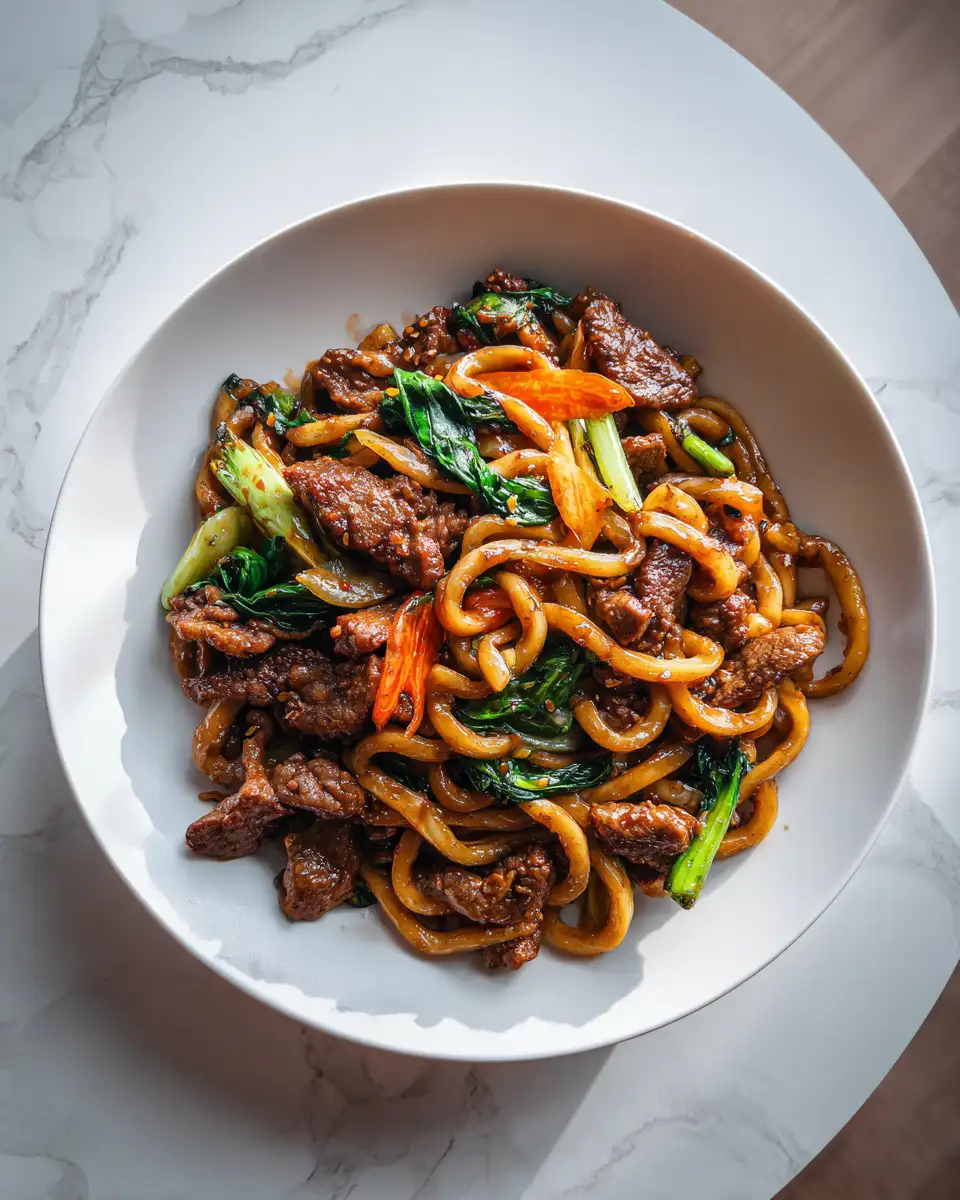
This Beef Black Pepper Udon is a complete, satisfying meal on its own, but I love to serve it alongside other simple side dishes. A small bowl of miso soup or a light cucumber salad with rice vinegar can add a refreshing contrast. For drinks, a cold jasmine green tea complements the savory flavors beautifully, and a crisp lager or light beer pairs nicely if you’re in the mood for an adult beverage.
If you want to make it more of a feast, set out an assortment of pickled vegetables or steamed dumplings. I find that sharing a variety of small dishes makes dinner feel special and reminds me of those cozy family gatherings I grew up with—full of laughter, love, and good food.
Storage and Reheating Tips
If you happen to have leftovers (which I rarely do, because it’s so good hot!), store them in an airtight container in the fridge for up to two days. When reheating, I prefer using a skillet over the microwave—adding a splash of water or broth to keep the noodles moist and stir-frying over medium heat until heated through. My grandma always said that a good stir-fry is just as delicious the next day if you treat it with care. Just be mindful that the noodles may soak up some of the sauce, so you might want to add a little more soy or pepper to freshen it up.
Frequently Asked Questions
What are the main ingredients for Beef Black Pepper Udon?
The main ingredients for Beef Black Pepper Udon include the items listed in our ingredients section above. Each ingredient plays a crucial role in achieving the perfect flavor and texture.
How long does it take to make Beef Black Pepper Udon?
The total time to make Beef Black Pepper Udon includes both preparation and cooking time. Check the recipe card above for exact timing details.
Can I make Beef Black Pepper Udon ahead of time?
Yes, Beef Black Pepper Udon can often be prepared in advance. Store it properly in an airtight container in the refrigerator and consume within the recommended timeframe.
What can I serve with Beef Black Pepper Udon?
Beef Black Pepper Udon pairs well with various sides and accompaniments. Consider the serving suggestions mentioned in the recipe for the best dining experience.
Is Beef Black Pepper Udon suitable for special diets?
Depending on the ingredients used, Beef Black Pepper Udon may be adapted for various dietary needs. Check the ingredients list and consider substitutions as needed for your dietary requirements.
Final Thoughts
Creating this Beef Black Pepper Udon in my kitchen always feels like a warm hug—simple ingredients, bold flavors, and a touch of nostalgia. It’s a dish that celebrates the beauty of quick, honest cooking, inspired by the love and care my grandma poured into every meal. Whether you’re cooking for family, friends, or just yourself, I hope this recipe brings a little joy and warmth to your table, just like it does for me. Remember, the best dishes are the ones made with love, so don’t be afraid to tweak and make it your own. Happy cooking, and enjoy every flavorful bite!