Decadent Lobster Scampi with Linguine Your New Favorite Seafood Pasta
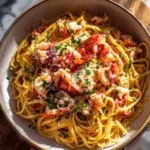
Learn how to make delicious Lobster Scampi with Linguine. Easy recipe with step-by-step instructions.
- Prep Time: 15 minutes
- Cook Time: 30 minutes
- Total Time: 45 minutes
- Yield: 4 servings
- Category: Main Dish
- Method: Cooking
- Cuisine: International
Ingredients
Scale
- 1 1/2 pounds fresh lobster tails or lobster claws, shells removed and meat chopped into bite-sized pieces (substitute with lobster meat from your market if fresh isn’t available)
- 12 ounces linguine pasta (or your preferred pasta shape)
- 4 tablespoons unsalted butter
- 3 tablespoons olive oil
- 4 cloves garlic, minced (I like to use a bit more—garlic makes everything better)
- 1/2 teaspoon crushed red pepper flakes (adjust to your spice preference)
- 1 cup dry white wine (or seafood broth for a non-alcoholic version)
- Juice of one large lemon (freshly squeezed)
- Salt and freshly ground black pepper to taste
- Fresh parsley, chopped (for garnish)
- Optional: a pinch of smoked paprika or Old Bay seasoning for extra flavor
Now, I’ve learned over the years, especially from those family dinners growing up, that using fresh ingredients makes all the difference. I recommend buying lobster from a trusted fishmonger or seafood market—freshness is key to that sweet, tender lobster meat. If fresh lobster is hard to find, high-quality frozen lobster meat works well too. A little tip from my own kitchen: I always keep a stash of lobster meat in my freezer for quick, impressive meals when guests surprise me or I just want a little luxury on a Tuesday night.
Instructions
- Bring a large pot of salted water to a boil. Add the linguine and cook according to package instructions until al dente, usually about 9 minutes. Drain and set aside. I always save a cup of pasta water—trust me, it’s magic for adjusting the sauce later.
- While the pasta cooks, heat a large skillet over medium heat. Add 2 tablespoons of olive oil and 2 tablespoons of butter. Let the butter melt and sizzle a bit—this is where the flavor starts to build. From my experience, using good quality butter makes a noticeable difference in the sauce’s richness.
- Add the minced garlic and red pepper flakes to the skillet. Sauté for about 1-2 minutes until fragrant but not browned—garlic burns easily, so keep an eye on it. I always remind myself to stir constantly at this stage; my grandma’s kitchen was all about timing and attention to detail.
- Pour in the white wine and bring it to a simmer. Let it cook for about 3-4 minutes to reduce slightly. This step concentrates the flavors and adds a lovely acidity that balances the richness of the lobster and butter.
- Add the lobster meat to the skillet. Cook for about 2-3 minutes, just until heated through. Be gentle here—I’ve learned that overcooking lobster makes it tough, and nobody wants that.
- Squeeze in the lemon juice and season with salt and freshly ground black pepper. Taste and adjust seasoning as needed. I often add an extra squeeze of lemon at the end for that bright, fresh finish.
- Transfer the cooked linguine to the skillet. Toss everything together, adding a splash of reserved pasta water if the sauce seems a bit thick. This helps coat the pasta beautifully and keeps it moist. I always do this last—it’s like magic how the flavors come together.
- Finish with chopped fresh parsley and a drizzle of good olive oil if desired. Serve immediately, garnished with extra parsley or lemon wedges. I love to set the table with a little extra lemon—makes the dish feel even more special.
Find it online: https://artofeasycooking.com/lobster-scampi-with-linguine/