
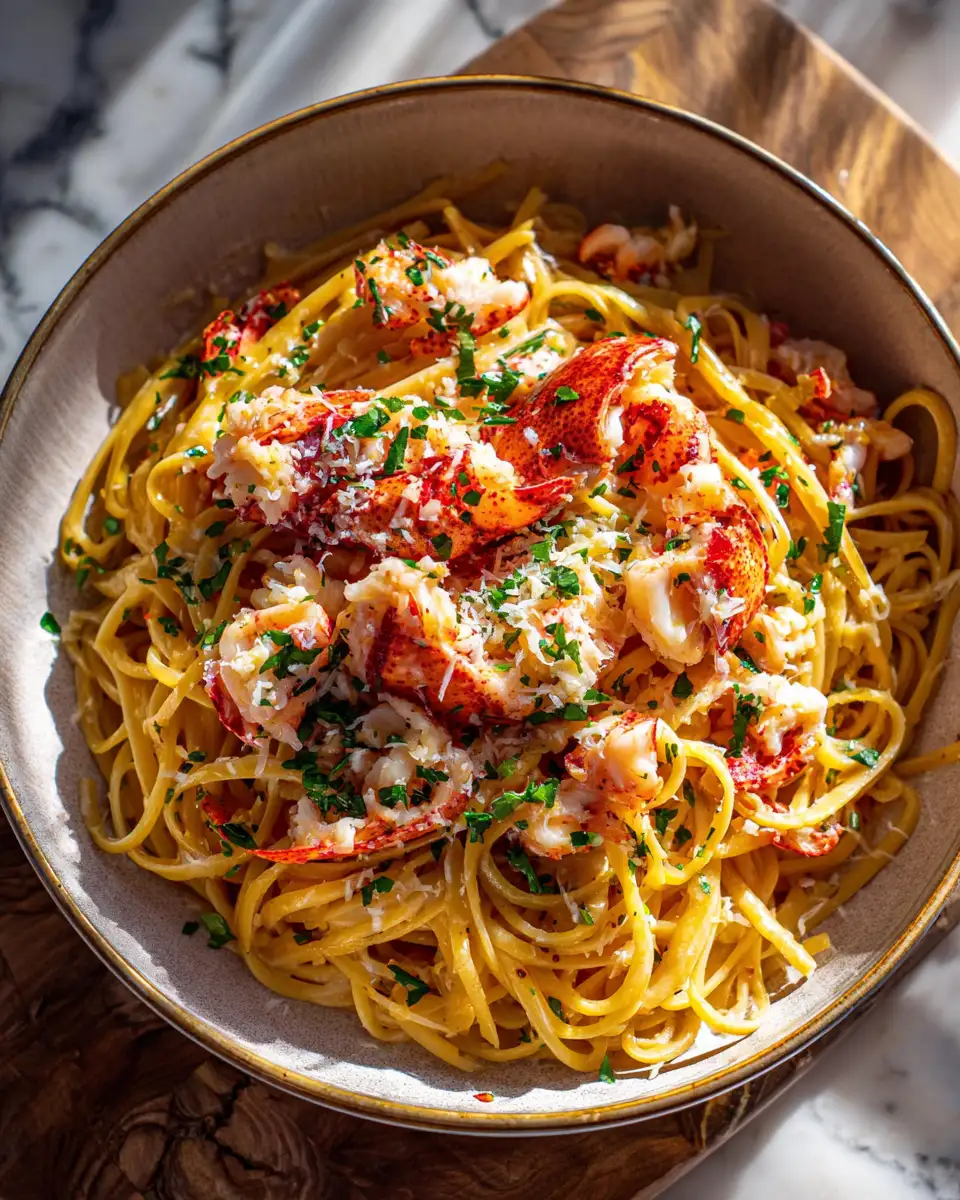
There’s something truly special about a dish like Lobster Scampi with Linguine. It’s the kind of meal that feels indulgent yet comforting, perfect for a cozy night in or a special occasion. I still remember the first time I tried making lobster scampi from my grandma’s recipe book—her secret was always using the freshest ingredients and a splash of love. That’s exactly what I want to share with you today: a recipe that captures that warm, homey feeling, but with a touch of elegance. As someone who grew up in a kitchen where simple ingredients created magic, I believe good food is about more than just taste—it’s about the memories and moments you create around the table. So, let’s dive into this luscious lobster scampi with linguine, and I’ll guide you through every step, sharing tips from my own experience along the way.
Why You’ll Love This Lobster Scampi with Linguine
This dish combines the sweetness of fresh lobster with the bright, garlicky flavor of classic scampi. What I love most about this recipe is how quick it comes together—perfect for those nights when you want something impressive but don’t want to spend hours in the kitchen. The richness of the lobster paired with the tender linguine makes for a luxurious yet approachable meal. I’ve made this many times for friends and family, and every time, it’s met with oohs and aahs. It’s a dish that feels fancy but is surprisingly simple to prepare, especially if you’ve ever cooked seafood before. Plus, it’s a wonderful way to celebrate special moments, whether it’s a birthday, anniversary, or just because you deserve a little treat.
Ingredients You’ll Need for This Lobster Scampi with Linguine
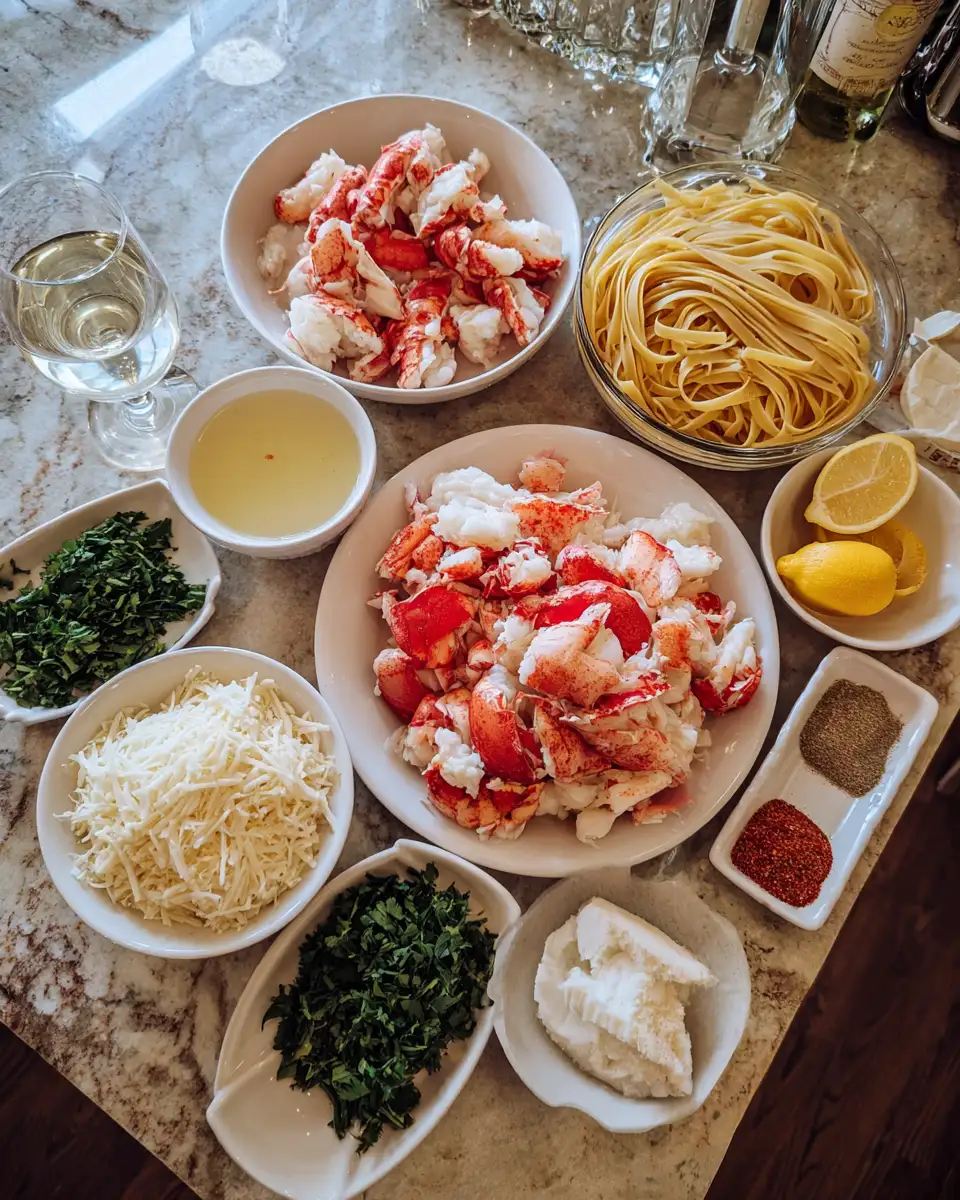
- 1 1/2 pounds fresh lobster tails or lobster claws, shells removed and meat chopped into bite-sized pieces (substitute with lobster meat from your market if fresh isn’t available)
- 12 ounces linguine pasta (or your preferred pasta shape)
- 4 tablespoons unsalted butter
- 3 tablespoons olive oil
- 4 cloves garlic, minced (I like to use a bit more—garlic makes everything better)
- 1/2 teaspoon crushed red pepper flakes (adjust to your spice preference)
- 1 cup dry white wine (or seafood broth for a non-alcoholic version)
- Juice of one large lemon (freshly squeezed)
- Salt and freshly ground black pepper to taste
- Fresh parsley, chopped (for garnish)
- Optional: a pinch of smoked paprika or Old Bay seasoning for extra flavor
Now, I’ve learned over the years, especially from those family dinners growing up, that using fresh ingredients makes all the difference. I recommend buying lobster from a trusted fishmonger or seafood market—freshness is key to that sweet, tender lobster meat. If fresh lobster is hard to find, high-quality frozen lobster meat works well too. A little tip from my own kitchen: I always keep a stash of lobster meat in my freezer for quick, impressive meals when guests surprise me or I just want a little luxury on a Tuesday night.
Nutrition Facts
- Calories: Approximately 500-550 per serving
- Protein: 35g
- Fat: 20g
- Carbohydrates: 60g
- Fiber: 3g
- Sugar: 2g
- Sodium: 700mg (can vary depending on seafood and seasoning choices)
When I first started cooking seafood, I was always a little nervous about overdoing it or underseasoning. But I’ve found that with lobster, less is often more—letting the natural sweetness shine through. This dish is rich but balanced, perfect for a special treat without feeling heavy. Learn more: Decadent Garlic Butter Lobster Tails That Will Make You Swoon
PrintDecadent Lobster Scampi with Linguine Your New Favorite Seafood Pasta
Learn how to make delicious Lobster Scampi with Linguine. Easy recipe with step-by-step instructions.
- Prep Time: 15 minutes
- Cook Time: 30 minutes
- Total Time: 45 minutes
- Yield: 4 servings
- Category: Main Dish
- Method: Cooking
- Cuisine: International
Ingredients
- 1 1/2 pounds fresh lobster tails or lobster claws, shells removed and meat chopped into bite-sized pieces (substitute with lobster meat from your market if fresh isn’t available)
- 12 ounces linguine pasta (or your preferred pasta shape)
- 4 tablespoons unsalted butter
- 3 tablespoons olive oil
- 4 cloves garlic, minced (I like to use a bit more—garlic makes everything better)
- 1/2 teaspoon crushed red pepper flakes (adjust to your spice preference)
- 1 cup dry white wine (or seafood broth for a non-alcoholic version)
- Juice of one large lemon (freshly squeezed)
- Salt and freshly ground black pepper to taste
- Fresh parsley, chopped (for garnish)
- Optional: a pinch of smoked paprika or Old Bay seasoning for extra flavor
Now, I’ve learned over the years, especially from those family dinners growing up, that using fresh ingredients makes all the difference. I recommend buying lobster from a trusted fishmonger or seafood market—freshness is key to that sweet, tender lobster meat. If fresh lobster is hard to find, high-quality frozen lobster meat works well too. A little tip from my own kitchen: I always keep a stash of lobster meat in my freezer for quick, impressive meals when guests surprise me or I just want a little luxury on a Tuesday night.
Instructions
- Bring a large pot of salted water to a boil. Add the linguine and cook according to package instructions until al dente, usually about 9 minutes. Drain and set aside. I always save a cup of pasta water—trust me, it’s magic for adjusting the sauce later.
- While the pasta cooks, heat a large skillet over medium heat. Add 2 tablespoons of olive oil and 2 tablespoons of butter. Let the butter melt and sizzle a bit—this is where the flavor starts to build. From my experience, using good quality butter makes a noticeable difference in the sauce’s richness.
- Add the minced garlic and red pepper flakes to the skillet. Sauté for about 1-2 minutes until fragrant but not browned—garlic burns easily, so keep an eye on it. I always remind myself to stir constantly at this stage; my grandma’s kitchen was all about timing and attention to detail.
- Pour in the white wine and bring it to a simmer. Let it cook for about 3-4 minutes to reduce slightly. This step concentrates the flavors and adds a lovely acidity that balances the richness of the lobster and butter.
- Add the lobster meat to the skillet. Cook for about 2-3 minutes, just until heated through. Be gentle here—I’ve learned that overcooking lobster makes it tough, and nobody wants that.
- Squeeze in the lemon juice and season with salt and freshly ground black pepper. Taste and adjust seasoning as needed. I often add an extra squeeze of lemon at the end for that bright, fresh finish.
- Transfer the cooked linguine to the skillet. Toss everything together, adding a splash of reserved pasta water if the sauce seems a bit thick. This helps coat the pasta beautifully and keeps it moist. I always do this last—it’s like magic how the flavors come together.
- Finish with chopped fresh parsley and a drizzle of good olive oil if desired. Serve immediately, garnished with extra parsley or lemon wedges. I love to set the table with a little extra lemon—makes the dish feel even more special.
Steps to Create Your Lobster Scampi with Linguine
- Bring a large pot of salted water to a boil. Add the linguine and cook according to package instructions until al dente, usually about 9 minutes. Drain and set aside. I always save a cup of pasta water—trust me, it’s magic for adjusting the sauce later.
- While the pasta cooks, heat a large skillet over medium heat. Add 2 tablespoons of olive oil and 2 tablespoons of butter. Let the butter melt and sizzle a bit—this is where the flavor starts to build. From my experience, using good quality butter makes a noticeable difference in the sauce’s richness.
- Add the minced garlic and red pepper flakes to the skillet. Sauté for about 1-2 minutes until fragrant but not browned—garlic burns easily, so keep an eye on it. I always remind myself to stir constantly at this stage; my grandma’s kitchen was all about timing and attention to detail.
- Pour in the white wine and bring it to a simmer. Let it cook for about 3-4 minutes to reduce slightly. This step concentrates the flavors and adds a lovely acidity that balances the richness of the lobster and butter.
- Add the lobster meat to the skillet. Cook for about 2-3 minutes, just until heated through. Be gentle here—I’ve learned that overcooking lobster makes it tough, and nobody wants that.
- Squeeze in the lemon juice and season with salt and freshly ground black pepper. Taste and adjust seasoning as needed. I often add an extra squeeze of lemon at the end for that bright, fresh finish.
- Transfer the cooked linguine to the skillet. Toss everything together, adding a splash of reserved pasta water if the sauce seems a bit thick. This helps coat the pasta beautifully and keeps it moist. I always do this last—it’s like magic how the flavors come together.
- Finish with chopped fresh parsley and a drizzle of good olive oil if desired. Serve immediately, garnished with extra parsley or lemon wedges. I love to set the table with a little extra lemon—makes the dish feel even more special.
Tips for Making the Best Lobster Scampi with Linguine
- Use the freshest lobster possible. If you can get live lobster, that’s ideal. If not, high-quality frozen lobster meat works just as well—just thaw it completely before cooking.
- Don’t skimp on garlic or lemon; these are the bright spots in the dish. My grandma always said, “A dish is only as good as its zest and garlic,” and I’ve found that to be true.
- Adjust the spice level with red pepper flakes—start with less if you’re sensitive, then add more to taste. I love a little heat in my seafood dishes.
- Reserve some pasta water before draining. The starchy water helps the sauce cling to the linguine and adds extra flavor.
- Serve immediately for the best texture and flavor. This dish is all about that fresh, hot lobster and linguine combo—waiting too long can dull the magic.
- For a vegetarian twist, you can substitute lobster with sautéed mushrooms or zucchini, but honestly, nothing beats the real thing for this recipe.
Serving Suggestions and Pairings
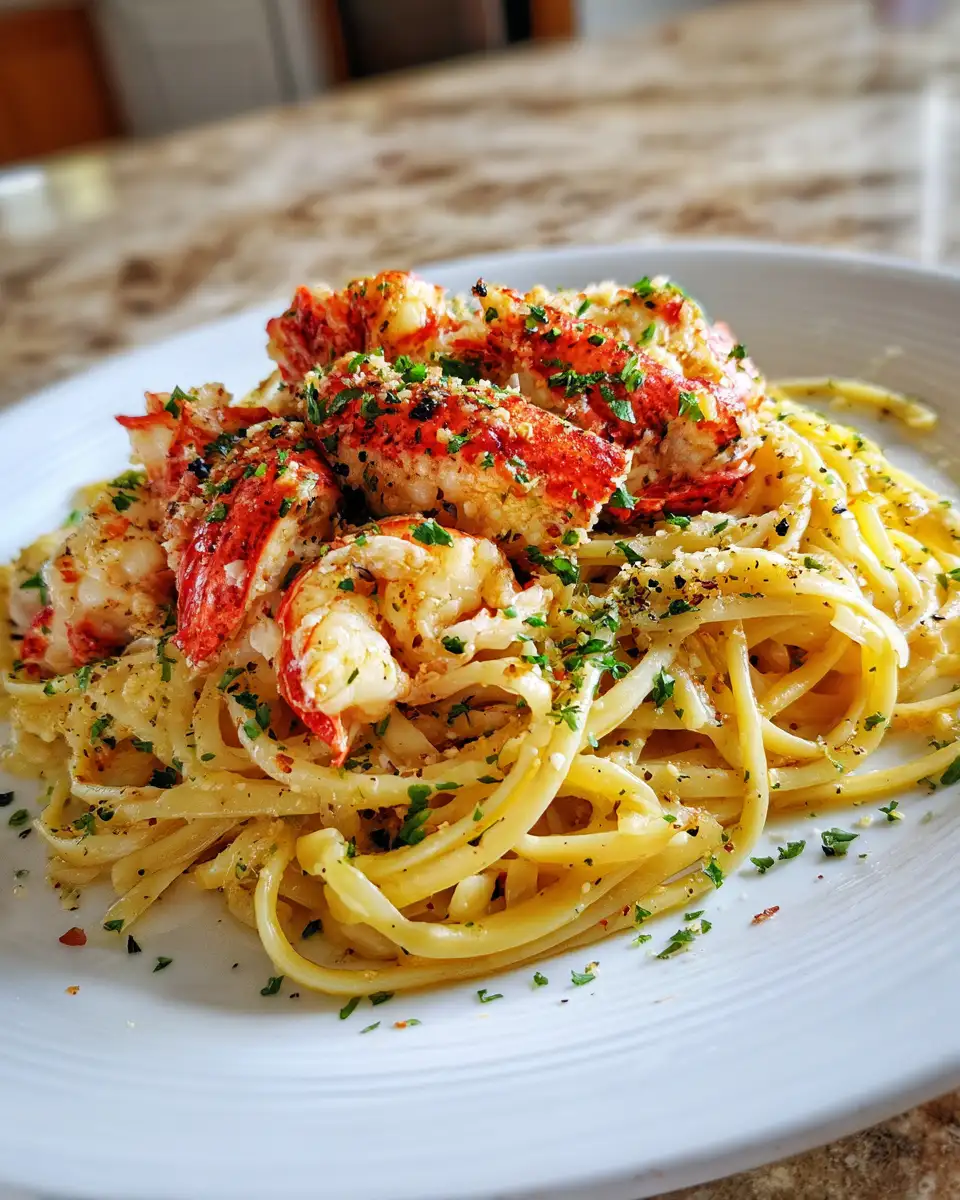
This Lobster Scampi with Linguine is a showstopper on its own, but I love pairing it with a crisp, chilled white wine like a Sauvignon Blanc or Pinot Grigio. The acidity complements the richness of the lobster and butter sauce beautifully. I also like serving a simple arugula salad with lemon vinaigrette on the side—fresh greens add a lovely contrast to the decadent main course.
If you’re feeling extra indulgent, a side of toasted garlic bread is perfect for soaking up every drop of that luscious sauce. I remember my grandma’s kitchen always had a warm, crusty baguette nearby, and I swear that’s part of the magic—those crispy bites with buttery sauce are unbeatable.
Storage and Reheating Tips
If you happen to have leftovers (though I doubt it, because this dish is so good fresh!), store them in an airtight container in the fridge for up to 2 days. To reheat, gently warm the lobster and sauce in a skillet over low heat, adding a splash of white wine or broth if needed to loosen the sauce. Reheating seafood can be tricky—overdoing it makes the lobster rubbery, so keep the heat low and watch closely. I learned this lesson the hard way, but now I always reheat gently and with care.
Frequently Asked Questions
What are the main ingredients for Lobster Scampi with Linguine?
The main ingredients for Lobster Scampi with Linguine include the items listed in our ingredients section above. Each ingredient plays a crucial role in achieving the perfect flavor and texture.
How long does it take to make Lobster Scampi with Linguine?
The total time to make Lobster Scampi with Linguine includes both preparation and cooking time. Check the recipe card above for exact timing details.
Can I make Lobster Scampi with Linguine ahead of time?
Yes, Lobster Scampi with Linguine can often be prepared in advance. Store it properly in an airtight container in the refrigerator and consume within the recommended timeframe.
What can I serve with Lobster Scampi with Linguine?
Lobster Scampi with Linguine pairs well with various sides and accompaniments. Consider the serving suggestions mentioned in the recipe for the best dining experience.
Is Lobster Scampi with Linguine suitable for special diets?
Depending on the ingredients used, Lobster Scampi with Linguine may be adapted for various dietary needs. Check the ingredients list and consider substitutions as needed for your dietary requirements.
Final Thoughts
Creating Lobster Scampi with Linguine at home is one of those recipes that makes me feel connected to my roots—those warm evenings in my grandma’s kitchen where love and good ingredients turned simple dishes into memories. This recipe is a celebration of that spirit: approachable, flavorful, and full of love. Whether you’re cooking for a loved one or just treating yourself, I hope this dish brings a little of that magic to your table. Remember, the secret ingredient is always love—and a splash of good wine never hurts. Happy cooking, and enjoy every delicious bite!