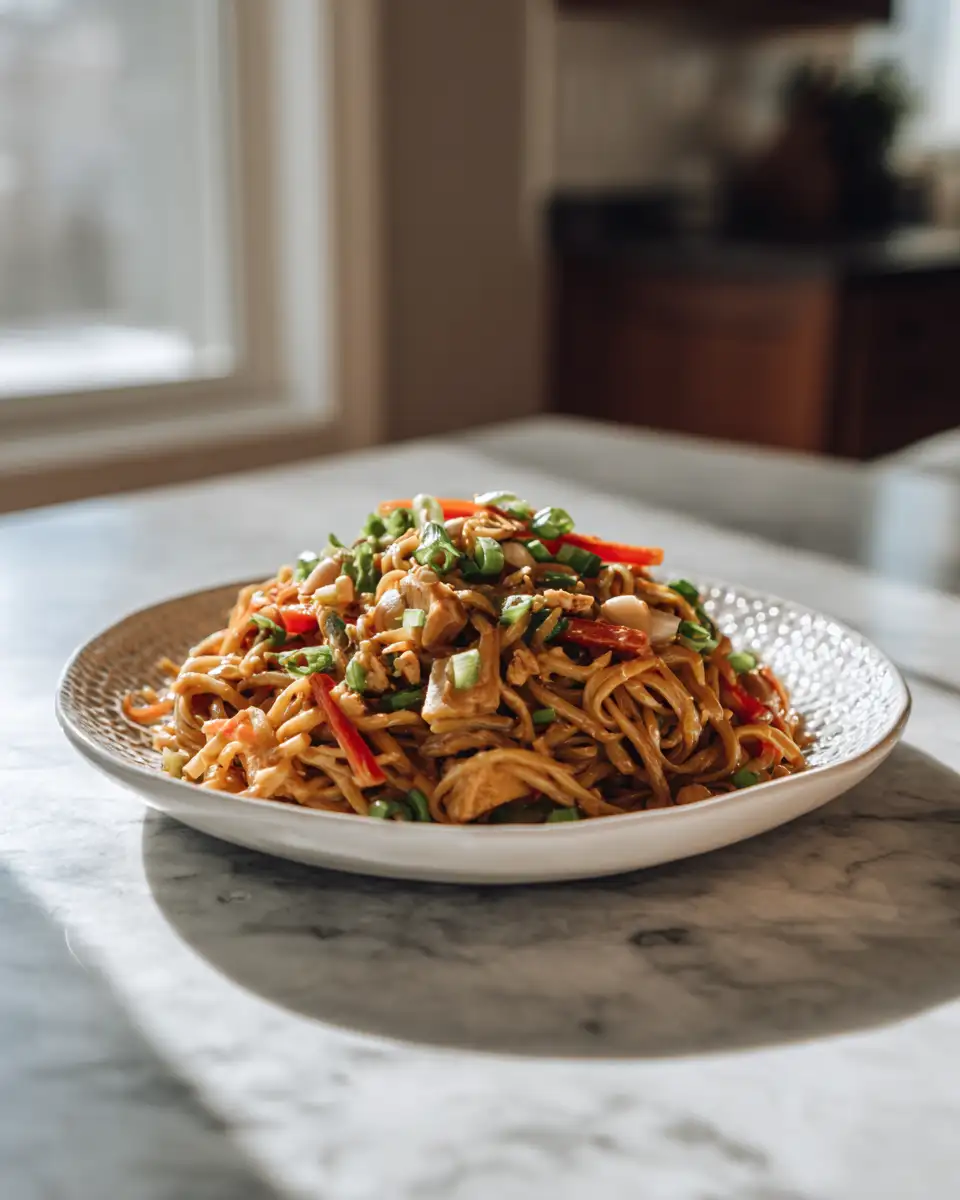
There’s something about the rich aroma of peanut sauce and the vibrant colors of fresh veggies that instantly transports me back to my grandma’s kitchen. I remember those lazy Sunday afternoons when she’d whip up a batch of Thai Peanut Noodles, filling our home with warmth and laughter. Now, years later, I find myself craving that same comfort, and I love sharing my version with you. This dish isn’t just about the flavors—it’s about creating a moment of connection, a bowl of happiness, and a little bit of magic that starts right in your own kitchen.
Why You’ll Love This Thai Peanut Noodles
Whenever I make these Thai Peanut Noodles, I’m reminded of the simple joys of cooking with love and fresh ingredients. This recipe has become a favorite in my household because it hits all the right notes: creamy, savory, slightly sweet, with just a hint of spice. It’s the kind of dish that feels both indulgent and wholesome—perfect for busy weeknights or a lazy weekend dinner.
The beauty of these noodles is their versatility. You can customize the toppings, swap out ingredients, or make it vegan by using tamari instead of soy sauce. I love how this dish can be a blank canvas for whatever veggies I have on hand—think bell peppers, shredded carrots, snap peas, or even a handful of chopped peanuts for extra crunch. Plus, it’s incredibly quick to put together, making it a go-to recipe when I want something satisfying without spending hours in the kitchen.
Growing up, I watched my grandma turn humble ingredients into magic, and that’s exactly what I aim to do here. This recipe is a celebration of flavors and memories, and I hope it brings a little of that magic into your home too.
Ingredients You’ll Need for This Thai Peanut Noodles
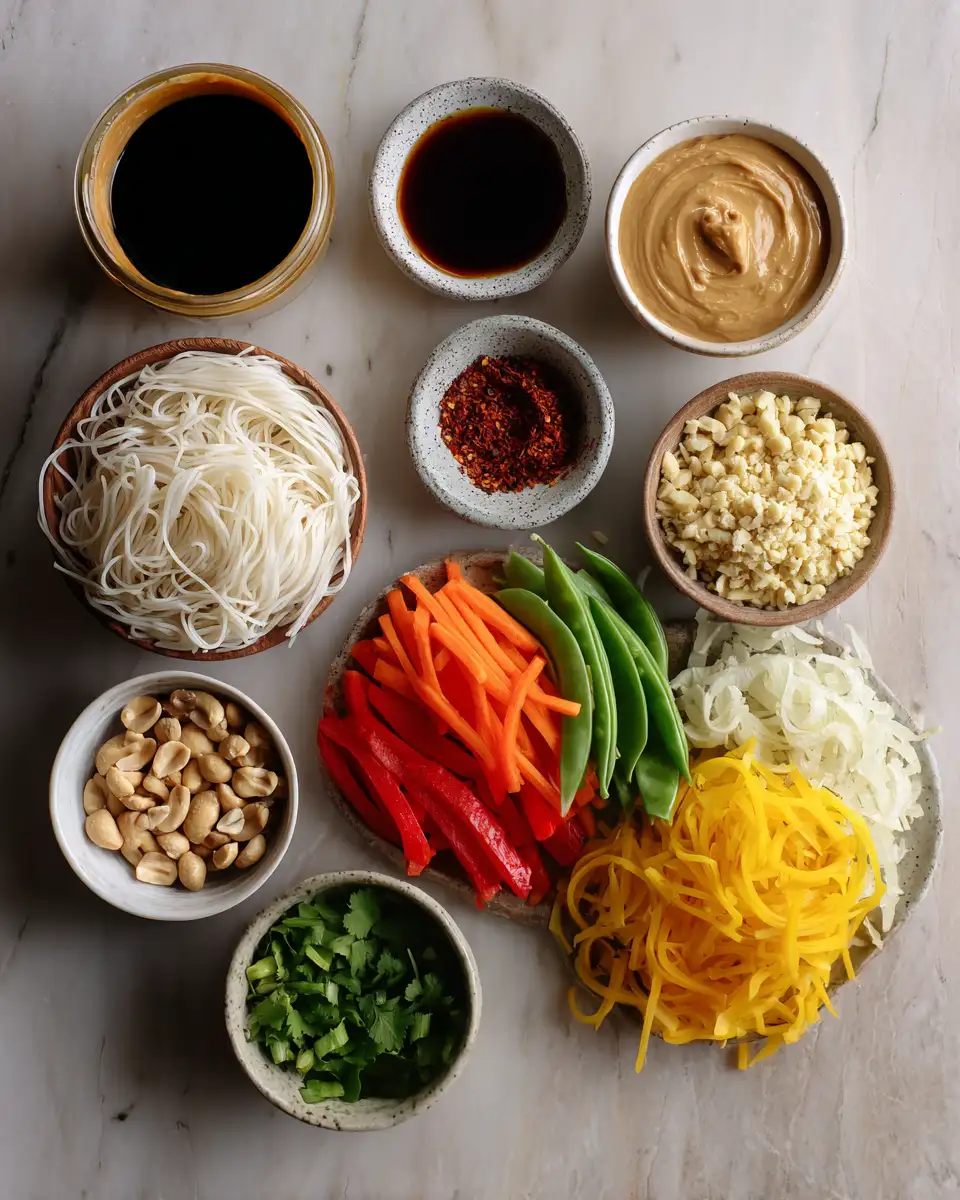
- 8 ounces of rice noodles or your favorite Asian-style pasta
- 1/4 cup creamy peanut butter (preferably natural and unsweetened)
- 3 tablespoons soy sauce or tamari for a gluten-free option
- 2 tablespoons rice vinegar or apple cider vinegar
- 2 tablespoons honey or maple syrup (for a vegan option)
- 1 tablespoon sesame oil
- 2 cloves garlic, minced
- 1 teaspoon freshly grated ginger
- 1/4 teaspoon red pepper flakes (adjust to taste)
- 1/4 cup hot water (to thin the sauce)
- Fresh vegetables such as shredded carrots, sliced bell peppers, snap peas, or scallions
- Chopped peanuts and fresh cilantro for garnish
For substitutions, if you’re allergic to peanuts, you can swap in sunflower seed butter or tahini. If fresh ginger isn’t available, a pinch of ground ginger works in a pinch. I’ve also experimented with adding a splash of lime juice for extra brightness, which I highly recommend.
Nutrition Facts
- Calories: Approximately 420 per serving
- Protein: 14g
- Fat: 18g
- Carbohydrates: 55g
- Fiber: 5g
- Sugar: 8g
- Sodium: 720mg
This dish packs a lot of flavor and nutrition without feeling heavy. I love that I can sneak in extra veggies, making it a well-rounded meal that satisfies both the palate and the soul. When I first started experimenting with this recipe, I was surprised at how easily it became a family favorite, especially when I added a handful of crunchy peanuts and a squeeze of lime at the end. It’s a perfect example of how simple ingredients can come together to create something extraordinary—a lesson I hold close from my grandma’s kitchen. Learn more: Savor the Flavor: Grilled Chicken Ranch Wrap Delight
PrintDiscover the Irresistible Flavor of Thai Peanut Noodles
Learn how to make delicious Thai Peanut Noodles. Easy recipe with step-by-step instructions.
- Prep Time: 15 minutes
- Cook Time: 30 minutes
- Total Time: 45 minutes
- Yield: 4 servings
- Category: Main Dish
- Method: Cooking
- Cuisine: International
Ingredients
- 8 ounces of rice noodles or your favorite Asian-style pasta
- 1/4 cup creamy peanut butter (preferably natural and unsweetened)
- 3 tablespoons soy sauce or tamari for a gluten-free option
- 2 tablespoons rice vinegar or apple cider vinegar
- 2 tablespoons honey or maple syrup (for a vegan option)
- 1 tablespoon sesame oil
- 2 cloves garlic, minced
- 1 teaspoon freshly grated ginger
- 1/4 teaspoon red pepper flakes (adjust to taste)
- 1/4 cup hot water (to thin the sauce)
- Fresh vegetables such as shredded carrots, sliced bell peppers, snap peas, or scallions
- Chopped peanuts and fresh cilantro for garnish
For substitutions, if you’re allergic to peanuts, you can swap in sunflower seed butter or tahini. If fresh ginger isn’t available, a pinch of ground ginger works in a pinch. I’ve also experimented with adding a splash of lime juice for extra brightness, which I highly recommend.
Instructions
- Bring a large pot of water to a boil. Add the rice noodles and cook according to package instructions until al dente, usually about 4-6 minutes. Drain and rinse under cold water to stop the cooking process. Toss with a little sesame oil to prevent sticking and set aside.
- While the noodles cook, prepare the sauce. In a medium bowl, whisk together the peanut butter, soy sauce, rice vinegar, honey, sesame oil, garlic, ginger, and red pepper flakes. Gradually add hot water, one tablespoon at a time, until the sauce reaches your desired consistency—smooth and pourable but not runny.
- Heat a tablespoon of oil in a large skillet or wok over medium heat. Add your choice of vegetables (such as shredded carrots, bell peppers, or snap peas) and sauté for 3-5 minutes until tender but still crisp. I like to add a splash of soy sauce or a sprinkle of salt to enhance the flavor.
- Add the cooked noodles to the skillet with the vegetables. Pour the peanut sauce over the noodles and toss gently to coat everything evenly. Cook for another 2-3 minutes, just enough to warm everything through and let the flavors meld.
- Remove from heat and garnish with chopped peanuts and fresh cilantro. Squeeze a little lime juice over the top if you like a bright, tangy finish. Serve immediately for the best texture and flavor.
One tip I learned from my grandma is to taste the sauce before pouring it over the noodles. Adjust the salt, sweetness, or spice levels to suit your preference. Also, don’t be afraid to add more veggies or protein—shrimp, chicken, or tofu all work beautifully here. Personalizing the dish makes it feel even more special and tailored to your taste buds.
Steps to Create Your Thai Peanut Noodles
- Bring a large pot of water to a boil. Add the rice noodles and cook according to package instructions until al dente, usually about 4-6 minutes. Drain and rinse under cold water to stop the cooking process. Toss with a little sesame oil to prevent sticking and set aside.
- While the noodles cook, prepare the sauce. In a medium bowl, whisk together the peanut butter, soy sauce, rice vinegar, honey, sesame oil, garlic, ginger, and red pepper flakes. Gradually add hot water, one tablespoon at a time, until the sauce reaches your desired consistency—smooth and pourable but not runny.
- Heat a tablespoon of oil in a large skillet or wok over medium heat. Add your choice of vegetables (such as shredded carrots, bell peppers, or snap peas) and sauté for 3-5 minutes until tender but still crisp. I like to add a splash of soy sauce or a sprinkle of salt to enhance the flavor.
- Add the cooked noodles to the skillet with the vegetables. Pour the peanut sauce over the noodles and toss gently to coat everything evenly. Cook for another 2-3 minutes, just enough to warm everything through and let the flavors meld.
- Remove from heat and garnish with chopped peanuts and fresh cilantro. Squeeze a little lime juice over the top if you like a bright, tangy finish. Serve immediately for the best texture and flavor.
One tip I learned from my grandma is to taste the sauce before pouring it over the noodles. Adjust the salt, sweetness, or spice levels to suit your preference. Also, don’t be afraid to add more veggies or protein—shrimp, chicken, or tofu all work beautifully here. Personalizing the dish makes it feel even more special and tailored to your taste buds.
Tips for Making the Best Thai Peanut Noodles
- Use natural peanut butter for a richer, more authentic flavor. Avoid processed or crunchy varieties that can alter the texture of the sauce.
- Don’t overcook your noodles; they should be just tender to avoid mushiness. Rinse with cold water after boiling to stop the cooking process and keep them from sticking together.
- Adjust the heat level by varying the red pepper flakes—start small and add more if you like it spicy.
- If you prefer a creamier sauce, add a splash of coconut milk or a dollop of Greek yogurt before tossing with the noodles.
- Make the sauce ahead of time and store in the fridge. It often tastes even better after sitting for a few hours, allowing the flavors to meld.
- For a vegetarian or vegan version, ensure your soy sauce is gluten-free and use plant-based sweeteners where needed.
One thing I’ve learned from cooking with my grandma is that the little tweaks make a big difference. Whether it’s adding a squeeze of lime or a handful of fresh herbs, those personal touches truly elevate the dish.
Serving Suggestions and Pairings
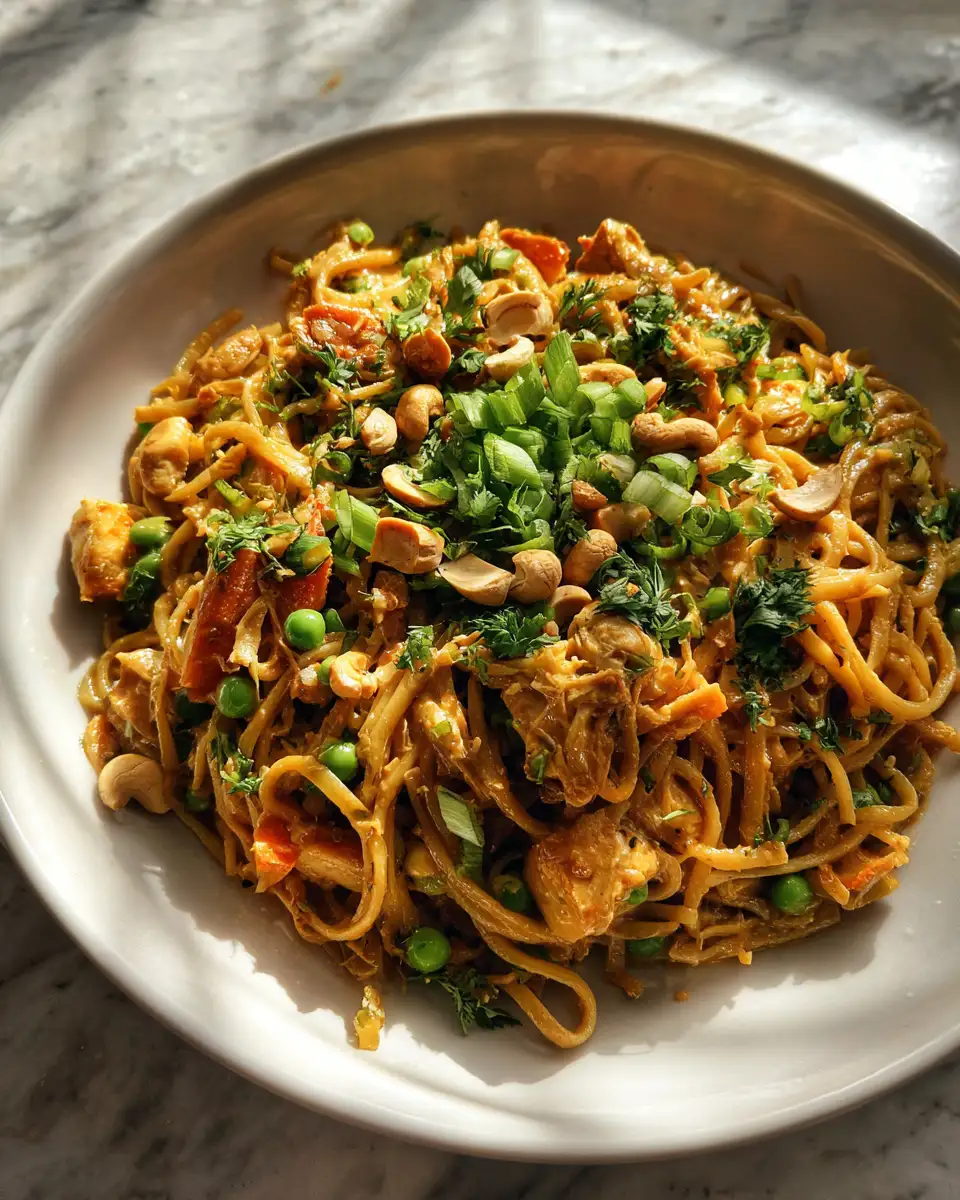
These Thai Peanut Noodles are incredibly versatile. They work beautifully as a main course or a hearty side. For a balanced meal, I like to serve them with a simple cucumber salad dressed with rice vinegar and sesame seeds. The cool crunch complements the creamy noodles perfectly.
If you want to make it more filling, top the noodles with grilled chicken, shrimp, or tofu. A fried egg on top adds a lovely richness and makes the dish feel more like a complete dinner. I often sprinkle extra chopped peanuts and fresh cilantro over the top for added texture and freshness.
For drinks, I prefer a cold glass of jasmine iced tea or a chilled sparkling water with a squeeze of lime. These refreshers cut through the richness of the peanut sauce and keep the palate cleansed.
Storage and Reheating Tips
If you have leftovers, store the noodles and sauce separately in airtight containers. The noodles can tend to absorb the sauce and become a bit sticky if stored together, so keeping them separate helps maintain their texture. Refrigerate for up to 2 days.
To reheat, gently warm the noodles in the microwave or on the stovetop with a splash of water or broth to loosen the sauce. I find that reheated noodles are best enjoyed within 24 hours for optimal flavor and texture. Sometimes, I like to freshen up the dish by adding a little more lime juice or fresh herbs when serving leftovers.
Frequently Asked Questions
What are the main ingredients for Thai Peanut Noodles?
The main ingredients for Thai Peanut Noodles include the items listed in our ingredients section above. Each ingredient plays a crucial role in achieving the perfect flavor and texture.
How long does it take to make Thai Peanut Noodles?
The total time to make Thai Peanut Noodles includes both preparation and cooking time. Check the recipe card above for exact timing details.
Can I make Thai Peanut Noodles ahead of time?
Yes, Thai Peanut Noodles can often be prepared in advance. Store it properly in an airtight container in the refrigerator and consume within the recommended timeframe.
What can I serve with Thai Peanut Noodles?
Thai Peanut Noodles pairs well with various sides and accompaniments. Consider the serving suggestions mentioned in the recipe for the best dining experience.
Is Thai Peanut Noodles suitable for special diets?
Depending on the ingredients used, Thai Peanut Noodles may be adapted for various dietary needs. Check the ingredients list and consider substitutions as needed for your dietary requirements.
Final Thoughts
Making Thai Peanut Noodles is one of those recipes that feels like a warm hug in a bowl. It’s rooted in simple ingredients but packed with flavor, and it’s versatile enough to suit any occasion. As I’ve learned from my grandma’s kitchen, the best dishes come from a place of love, patience, and a little bit of intuition. I hope you enjoy making this recipe as much as I enjoyed sharing it with you. Whether you’re cooking for family, friends, or just yourself, these noodles are sure to bring comfort, joy, and a touch of culinary magic to your table.